

12 Ways to Help Your Toddler Talk: Parents' Guide + What Real Parents are Saying in 2025
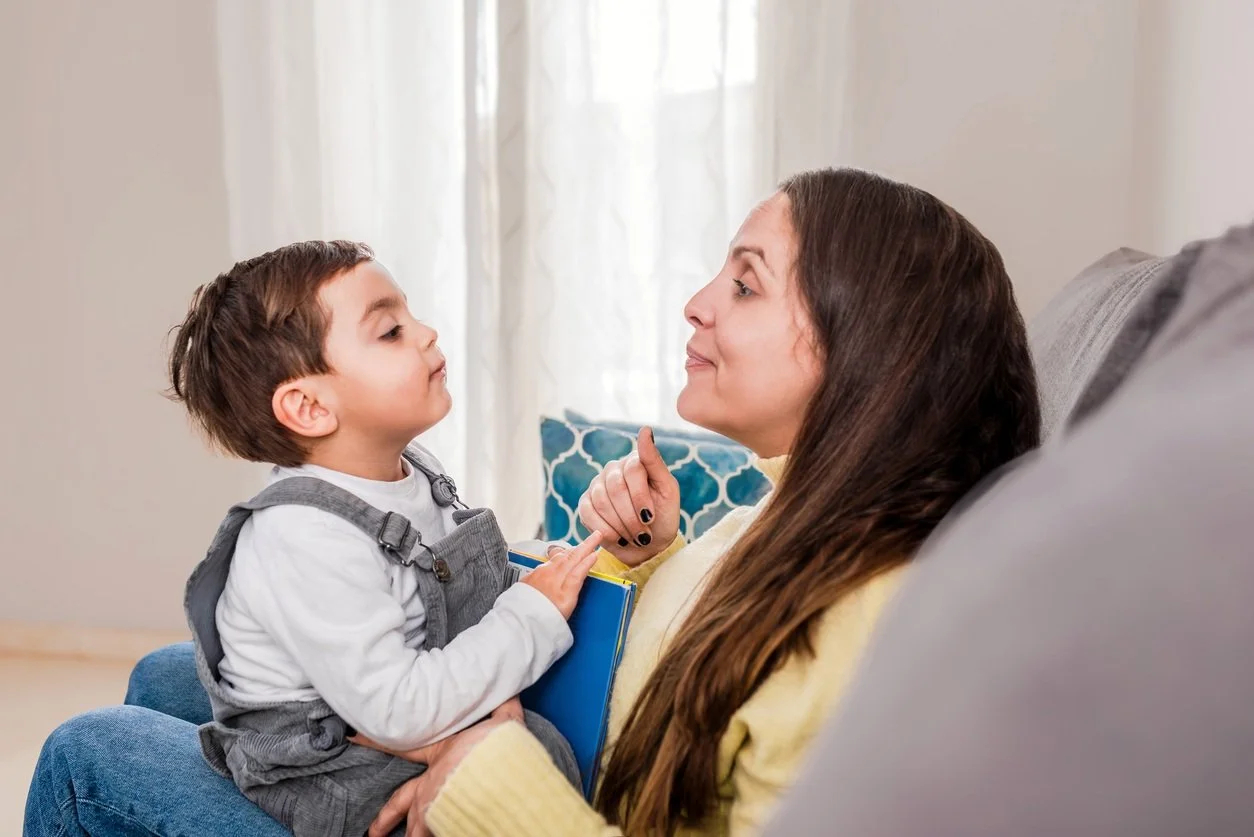
Learning to talk is one of the most significant leaps in your child's development. Between the ages of one and three, a toddler moves from simple babbles to full sentences, setting the stage for their future social and school success. Experts call this a "critical period" because the brain is building connections for listening and speaking faster than at any other time. This growth depends heavily on the quality of interactions they have with you.
While every child follows their own timeline, speech development is very responsive to the environment. "Late talkers" (children with fewer than 50 words by age two) are common, but the old "wait and see" advice is outdated. Research shows that acting early is the best way to prevent long-term struggles. You don't need a degree to help; studies show that parents are the best teachers because they are with their child every day. The strategies below are simple, science-backed changes to your daily routine that can make a huge difference.
Parentese: The "Mommy Voice" Hook
This strategy uses a specific style of speaking that acts like a spotlight for your child’s brain. By raising your pitch and slowing down, you make it much easier for toddlers to separate words from sounds and learn them faster.
It’s Not Just Baby Talk
You might feel silly using a high-pitched, sing-song voice, but science says it works. This is called "Parentese." Unlike "baby talk" (which uses made-up words like "goo-goo ga-ga"), Parentese uses real words and correct grammar but changes how you say them. You speak with a higher pitch, a slower speed, and stretched-out vowels (e.g., "Where is your shooooe?").
Why It Works
Toddlers have young brains that are still learning to sort out sounds. Normal adult conversation is often too fast for them to process. Parentese acts like a spotlight for language. By stretching out the sounds and slowing down, you give your child’s brain extra time to "catch" the words and understand them. Studies show that babies who hear more Parentese have larger vocabularies because their brains can categorize speech sounds more easily.
How to Do It
Use real words but say them happily and slowly. If your child looks at a ball, don't just say "That's a ball." Say, "Look at the biiiig baaaall!" The excitement grabs their attention, and the slow speed helps them learn.
2. Dialogic Reading: Turn Storytime into a Conversation
Reading shouldn't just be about you reciting the words while your child listens silently. Dialogic reading turns the book into an interactive conversation where your child becomes the storyteller, boosting their confidence and vocabulary.
Don't Just Read, Talk
Reading is great, but how you read matters most. "Dialogic reading" means turning the book into a conversation rather than just reading the words on the page while your child listens silently. Books are full of "rare words" we don't use in daily life (like "giraffe" or "enormous"), so they are gold mines for learning if the child is involved.
The PEER Method
A simple way to do this is the PEER sequence:
Prompt: Ask a question about the page ("What do you see?").
Evaluate: Affirm their answer ("Yes, that's a dog!").
Expand: Add a little more detail ("Yes, a big brown dog.").
Repeat: Ask them to say it again.
Repetition is Key
You might get bored reading The Very Hungry Caterpillar for the 100th time, but your toddler loves it. Repetition helps them memorize the patterns of speech. Once they know the story by heart, they can start "reading" it back to you, which builds their confidence and fluency.
3. Baby Sign Language: A Bridge to Speech
Teaching your toddler simple hand signs gives them a voice before their mouth muscles are fully ready to speak. Far from delaying speech, this "bridge" reduces frustration and tantrums, helping them understand the concept of communication earlier.
Reducing Frustration
A common myth is that teaching sign language will make a child lazy and stop them from talking. The opposite is true: signing actually helps them talk sooner. Hand muscles develop faster than the mouth muscles needed for speech. By teaching signs for "more," "milk," or "help," you give your child a way to communicate before they can speak physically.
The Symbolic Leap
Signing teaches a huge concept: that a symbol (a hand movement) represents a real thing. This is the same logic used in speech (where a sound represents a thing). Research shows that toddlers who use gestures early often have larger vocabularies later.
How to Do It
"Sandwich" the sign. Say the word, do the sign, and say the word again. Focus on useful words that help them get what they want (like "eat" or "all done") rather than just naming things. This lowers their frustration and tantrums because they finally have a way to tell you what they need.
4. Imitation: The Copycat Game
Toddlers are natural copycats, and you can use this to your advantage to build a connection. By imitating their sounds and actions first, you validate their voice and encourage them to start imitating you back.
Mirroring Your Child
Imitation is how we learn culture and language. For toddlers, being imitated is thrilling. It triggers "mirror neurons" in their brain. If your child isn't talking yet, stop trying to make them imitate you. Instead, you imitate them.
How to Do It
If your child bangs a spoon, you bang a spoon. If they say "ba," you say "ba." This shows them, "I see you, and I am listening." It builds a back-and-forth rhythm. Once they are engaged, you can upgrade the game. If they say "ba," you say "ba... ball!" This validates their sound but gently pushes them toward the real word.
5. Sportscasting: Narrating the Day
Think of yourself as a sportscaster describing the play-by-play action of your daily life. Narrating what your child is seeing and doing in real-time helps them link words to objects instantly, flooding their world with meaningful language.
Talk About Everything
Think of yourself as a sportscaster calling a game. Narrate what your child is doing ("You are pushing the blue car") and what you are doing ("I am cutting the apple"). This technique floods their environment with language.
Why It Works
Toddlers see a world full of things but don't know the names for them. When you narrate the exact moment they are touching or looking at something, their brain makes a strong connection between the object and the word. This is much better than testing them by asking, "What's this?" which can cause pressure.
Keep it Simple
You don't need long sentences. Just short, clear descriptions of what is happening right now. "Washing hands. The water is warm. Soap bubbles!"
6. Communication Temptations: Setting the Stage
Sometimes, we make life too easy for our kids by anticipating their every need before they ask. By playfully "sabotaging" the environment like putting a favorite toy in a clear, sealed jar you create a natural reason for them to use their words.
Create a Need to Speak
Toddlers are smart. If they can get a cookie by just pointing or grunting, they won't bother learning the word "cookie." You can gently "sabotage" the environment to create a reason for them to use their voice.
Fun Ways to "Sabotage"
The Unreachable Toy: Put their favorite toy in a clear bin they can't open. They have to bring it to you and ask for help.
The Silly Mistake: Put their sock on their hand. They will likely laugh and try to correct you.
Bit-by-Bit: Don't give them the whole cookie. Give a tiny piece. To get more, they have to ask (even with a sign or a sound).
Remember to keep it fun, not frustrating. If they struggle, help them immediately so they learn that communication works.
7. Joint Attention: Sharing the Moment
Language learning happens best when you and your child are locked in on the same object at the same time. Instead of forcing them to look at what you want, follow their gaze and name the things that have already captured their interest.
Look Where They Look
"Joint attention" is just a fancy term for two people looking at the same thing together. Before a child can learn a word, they have to be looking at the object while you say the name.
Follow Their Lead
Instead of trying to force your child to look at what you want, look at what they are interested in. If they are staring at a bug, talk about the bug. Research shows that children learn words much faster when parents talk about what the child is already focused on.
8. Verbal Routines: Predictable Phrases
Children thrive on predictability, so using the same "script" for daily activities takes the pressure off. Once a phrase like "Ready, set, go!" becomes familiar, you can pause at the end and let them fill in the blank.
Use a Script
Verbal routines are phrases you say the same way every time, like "Ready, set... GO!" or "Up, up, up!" when picking them up. Because these phrases are predictable, your child doesn't have to work hard to figure out what's coming next.
Fill in the Blank
Once a routine is established, you can pause before the last word: "Ready, set..." and wait. Because the child knows the script, they will naturally want to fill in "GO!" This is a low-pressure way to get them to speak.
9. Expansion: Adding On, Not Correcting
When your child makes a grammar mistake, avoid the urge to say "no" or correct them directly. Instead, simply repeat what they said back to them using the correct words, validating their thought while modeling the right way to say it.
Don't Correct, Connect
If your toddler says, "Daddy car," your instinct might be to correct them: "No, say 'Daddy is in the car.'" But direct correction can be discouraging.
The Better Way
Instead, use "expansion." Repeat what they said but make it grammatically correct and add one detail. "Yes! Daddy is in the car." This proves you understood them (which builds confidence) while letting them hear the correct sentence structure. They learn the grammar rules naturally by hearing you fix it gently.
10. The Power of Waiting: The Pause
We often rush to fill the silence, but toddlers need extra time to process what they hear and formulate an answer. A simple 5-to-10 second pause after you ask a question can give them the space they need to find their voice.
Give Them Time
Toddlers process sounds slower than adults. They need time to hear you, think of an answer, and move their mouth to speak. Adults often hate silence and fill it too quickly, interrupting the child’s thinking process.
The 5-10 Second Rule
Ask a question or make a comment, and then wait. Count to 5 or even 10 in your head. Look at them expectantly. This silence acts like a magnet; it draws speech out of them. Giving them that extra few seconds can be the difference between a grunt and a word.
11. Music: Learning Through Rhythm
Music breaks language down into distinct rhythms and beats, making it easier for children to hear the sounds inside words. Singing simple songs is a fun way to improve their memory and helps them predict which word comes next.
Why Songs Stick
Music is different from regular speech. It has a rhythm and a beat that helps break words down into smaller parts. This helps children develop "phonological awareness" the ability to hear the sounds inside words.
Sing and Pause
Songs are perfect for the "fill in the blank" game. Sing "Twinkle, twinkle, little..." and stop. The rhythm of the song practically forces the brain to want to finish it with "Star!" This is a fun, easy way to practice vocabulary.
12. Screens and Speech: Using Tech Wisely
While screens can sometimes delay speech if they replace human interaction, they can also be useful tools if used together. Watching high-quality, interactive shows with your child can spark conversation and model good speech patterns.
The "Replacement" Problem
The main worry with screen time is that it replaces face-to-face interaction. A tablet can't read your child's facial expressions or wait for them to answer. Studies show too much passive screen time can link to speech delays because it takes away practice time.
Make it Interactive
Screens aren't all bad if used correctly. "Co-viewing" means watching with your child and talking about the show ("Look, the bear is dancing!"). Shows like Ms. Rachel are popular because they mimic the strategies above (slow speech, close-ups of the mouth, pauses). Use these shows as a tool to spark conversation, not just as a babysitter.
What Real Parents Say in 2025 - Reddit Insights
We looked at real-world discussions from parenting communities to see how these clinical tips play out in daily life. Here are the practical takeaways from parents who have been in your shoes and found what actually works.
1. Narrate Like a Sportscaster
"Model. Model. Model. Narrate everything you do while you're together... So essentially just keep talking mama. I sing a lot with my son even as we do routine tasks." Takeaway: It feels exhausting to talk constantly, but this parent confirms that "flooding" the house with words really works.
2. Silence Reduces Stress
"Use an 'expectant pause' when playing... To slow down and leave space for the child to speak, which helped reduce the parent's stress." Takeaway: This is a great point: slowing down isn't just good for the baby; it helps you relax too. You don't have to entertain them every second.
3. Trust the Process
"We read 3 books a night, even if it seems like he's not listening… he is... Hang in there! It's a lot of work, but at that moment everyone talks about it 'clicking one day' is true..." Takeaway: Your child is learning even when they are quiet. They are absorbing words like a sponge, and one day, it will all pour out.
4. Screen Time Can Help if Used Well
"Ms Rachel taught my kid how to sign! We had been beating our head against a wall, and then literally the second time he watched, he looked at me and signed for more milk." Takeaway: Sometimes seeing a different face (even on a screen) helps a concept click. The key was that the child used the sign to talk to the parent, connecting the screen to real life.
5. Get Help Early
"Honestly the BEST decision we ever made was going into speech therapy. My son was only speaking gibberish at two, now at 3.5 he's using full sentences..." Takeaway: Don't be afraid to ask for professional help. Speech therapists are amazing partners who can give you a personalized roadmap.
Connection Over Perfection
Helping your child learn to talk is a marathon, not a sprint, and it's built on small moments of connection. By trusting your instincts and using these simple tools, you are giving them the best possible start.
Helping your toddler talk isn't about flashcards or strict lessons. It's about moving from directing them to connecting with them.
The strategies above like Parentese, Sign Language, and The Pause work because they fit naturally into the things you are already doing, like eating, bathing, and playing. You are your child's best toy and best teacher. By slowing down, tuning in, and turning everyday moments into conversations, you are building the foundation for their voice. Don't worry about being perfect; just keep chatting, keep playing, and give them the space to answer.