

What is Quiet Time For Toddlers? Benefits, Activities, and How to Get The Routine Started in 2025
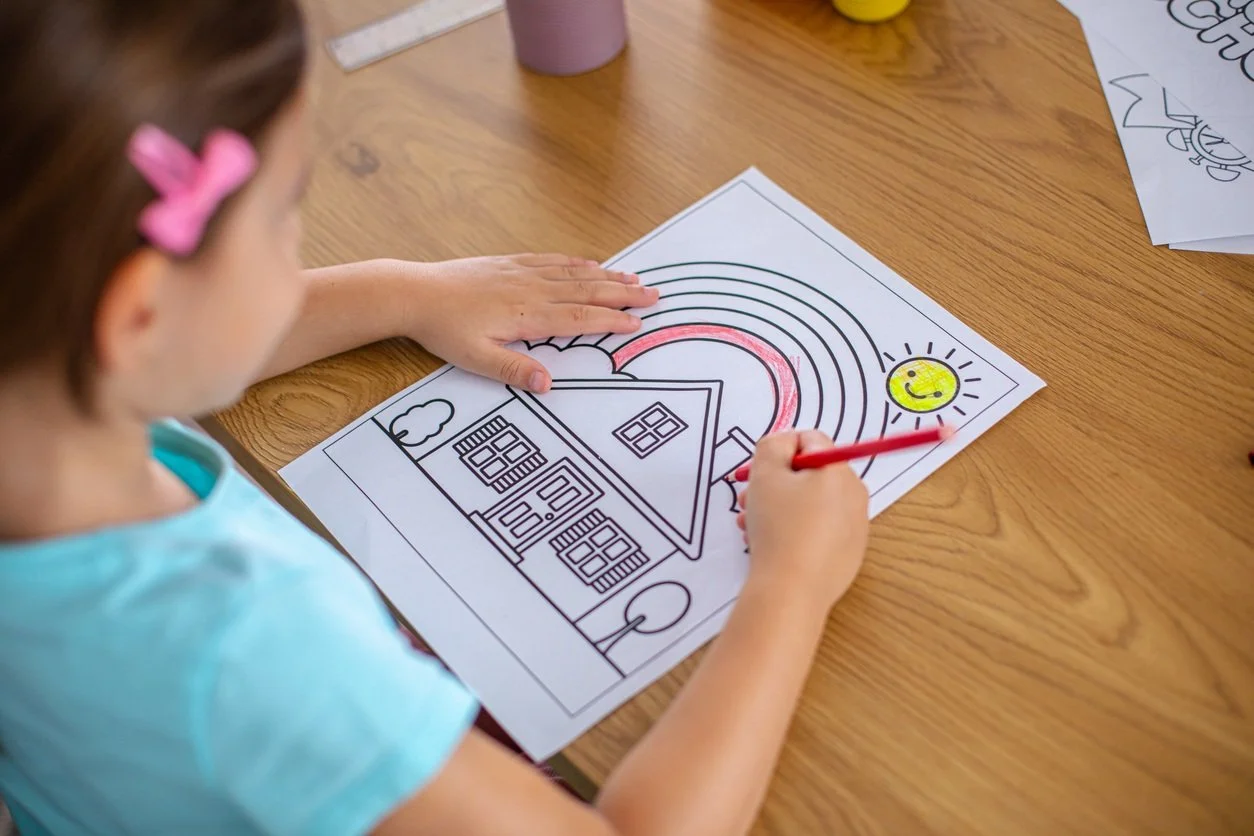
If there is one universal truth in the world of parenting, it is this: the silence of a sleeping toddler is the most beautiful sound on earth. It is that golden hour (or two, if you’re lucky) where the house stops vibrating. It’s the time when you can finally hear your own thoughts, drink a coffee while it is actually hot, answer the emails that have been piling up, or let’s be honest doom-scroll through Instagram without a tiny human climbing you like a jungle gym.
But then, the inevitable happens.
Maybe it starts with a shorter nap. Maybe it starts with a protest at the crib rail. Or maybe it happens all at once: the "Nap Strike." Suddenly, you are staring at a toddler who looks suspiciously like they have enough energy to power a small city, while you are personally running on dry shampoo and desperation.
You do the math in your head: If they don’t nap, that means I have to entertain them for 12 straight hours until bedtime. The panic sets in. You wonder if your sanity can survive the loss of that midday break.
Welcome to the nap transition of 2025.
If you are currently grieving the loss of the nap, dry your tears. There is a solution, and honestly, it might be even better than the nap itself because it lasts longer into childhood. It is called “Quiet Time”, and it is the holy grail of toddler parenting.
In a world that is constantly pinging, buzzing, and demanding our attention, Quiet Time isn't just a survival tactic for parents—it’s a developmental necessity for kids. It is the bridge between the heavy sleep needs of a baby and the stamina of a school-aged kid.
In this ultimate guide, we are going deep. We’re talking about what it is, the science of why it works (backed by the latest stats), how to survive the rocky transition phase, and the best low-stimulation activities to keep them occupied so you can reclaim your peace.
Let's dive in.
What is Quiet Time?
At its simplest definition, Quiet Time is a designated period of the day when your child pauses high-energy play to engage in independent, low-stimulation activities in a safe, contained space.
However, to truly implement it successfully, we need to be very clear about what Quiet Time is not.
It is not a punishment. This isn't a "time-out" or banishment to their room for bad behavior. It is a positive, rhythmic part of the day, just like lunch or bath time.
It is not "screen time." While we all love a good Disney+ marathon, true Quiet Time is about giving the brain a break from the rapid-fire stimulation of screens. It’s about active rest, not passive consumption.
It is not necessarily "sleep time." The goal is rest. If they fall asleep? Amazing. We take those wins! But the pressure to sleep is removed, which often eliminates the power struggle that causes nap strikes in the first place.
Quiet Time is a bridge. It bridges the gap between the baby years and the school years. It creates a "pause button" in the middle of the day where the stimulation dial is turned down.
For the child, it is a chance to decompress from the noise, learning, and social demands of the morning. For the parent, it is a non-negotiable boundary. It is a declaration that says: I love you, but I am a person with needs, and right now my need is to sit in silence.
The "Rules" of Engagement
To make this work, the definition needs boundaries. In most successful homes, Quiet Time looks like this:
Location: Usually the child’s bedroom, a specific playroom, or a "quiet corner" if space is limited.
Duration: Anywhere from 45 minutes to 90 minutes.
The Big Rule: You can play, you can read, you can roll around on the floor—but you must stay in the room (barring potty emergencies) and you must keep the volume relatively low.
The Importance of Quiet Time – For Toddlers and Parents (w/ Stats)
You might feel a twinge of guilt asking your child to play alone for an hour. Am I ignoring them? Should I be stimulating them with educational flashcards instead?
Let me stop you right there. In 2025, the conversation around parenting has shifted massively from "constant entertainment" to "intentional rest." We are moving away from the culture of the "Pinterest Mom" who organizes activities every 15 minutes, and toward a model of raising self-sufficient kids.
The Science of Toddler Rest
Toddlers are information sponges. Every color, sound, texture, and social interaction is new data their brains have to process. Without a break, their cortisol levels (stress hormones) can spike, leading to the dreaded late-afternoon meltdown.
According to research from the University of Massachusetts Amherst, downtime is essential for memory consolidation. Cognitive psychologist Rebecca Spencer found that children who rested or napped after learning new information retained about 80% of it, compared to just 30% for those who stayed awake and active. Essentially, Quiet Time allows their brain to "file away" everything they learned that morning so they have space for new information in the afternoon.
Without this break, a toddler is operating on a full hard drive. They become hyperactive, emotional, and unable to listen—not because they are "bad," but because they are neurologically flooded.
The Parental Burnout Crisis
Let’s talk about you. We are living in an era where the village is smaller than ever, and the pressure is higher than ever. Quiet Time is a protective factor against the very real crisis of parental burnout.
The Stress Epidemic: In a recent advisory, the U.S. Surgeon General highlighted a startling reality: 33% of parents report high levels of stress consistently, compared to just 20% of other adults. Even more concerning, 41% of parents say that on most days, they are so stressed they cannot function. Quiet Time is a direct counter-measure to this. It provides a guaranteed window of time where demands are lowered.
The Burnout Rate: A study from The Ohio State University recently found that 66% of parents were suffering from burnout. The study noted that burnout was strongly associated with a lack of breaks and the "always-on" nature of modern parenting.
The Work-Life Collision: According to a report by Maven Clinic, 92% of working parents report feeling burnt out, citing the inability to separate "parent mode" from "work mode." Quiet Time offers that separation.
When you enforce Quiet Time, you aren't being selfish. You are engaging in harm reduction. You are preserving your mental health so that you can be the patient, present parent you want to be for the second half of the day.
How Long Should Quiet Time Be?
This is the most common question we get: How long can I realistically expect my toddler to sit in a room alone without destroying it?
The answer depends on their "independent play stamina," but the goal is to build up to a substantial break.
The Ideal Goal: 60 to 90 Minutes
Most child development experts and veteran parents agree that 60 to 90 minutes is the sweet spot.
60 Minutes: This is enough time for a child to get into a "deep play" state (flow state). It usually takes 15 minutes just to get over the boredom/whining hump, leaving 45 minutes of actual play.
90 Minutes: This mimics the length of a standard sleep cycle or nap. If your child attends preschool or daycare, they likely have a rest period of this length, so maintaining it at home helps with consistency.
Starting Small (The "Training" Phase)
If you are transitioning a child who has never played alone, do not start with 90 minutes on Day 1. You will set everyone up for failure. You have to treat this like muscle training.
Week 1: Start with 15–20 minutes. Stay close by.
Week 2: Extend to 30–45 minutes.
Week 3: Aim for the full 60 minutes.
Pro-Tip: Use a visual timer (more on that in the tips section) so the child doesn't feel like the time is endless. Toddlers have zero concept of time; "one hour" means nothing to them, but "until the red circle disappears" means everything.
Quiet Time by Age
The expectations for Quiet Time need to evolve as your child grows. A two-year-old’s Quiet Time looks very different from a five-year-old’s. Here is how to tailor the routine for every stage in 2025.
Age 2: The "Hybrid" Phase
At age two, many kids are technically still needing a nap but are fighting it tooth and nail (the dreaded 2-year sleep regression).
The Setup: Keep the room dark-ish (dim, not pitch black).
The Activity: Very low stimulation. Maybe just books and stuffed animals in the crib or toddler bed.
The Goal: You are hoping they fall asleep, but if they don't, they are resting their bodies.
Duration: 60 to 90 minutes. (Keep the "nap" slot open in the schedule).
Age 3: The "Dropping the Nap" Phase
This is the prime age for introducing formal Quiet Time. The nap is likely gone for good, or it is sporadic (the "unicorn nap").
The Setup: Curtains open or half-open. Natural light is fine.
The Activity: Independent play toys are introduced (tiles, puzzles).
The Goal: Independent engagement. They don't need to lie down, but they need to stay in their "zone."
Duration: 60 to 75 minutes.
Age 4: The Imagination Phase
Four-year-olds have incredible imaginations. They can often sustain play for longer periods and create elaborate worlds.
The Setup: They can have access to more complex toys (Legos, magnetic tiles, art supplies if they are trustworthy).
The Goal: Creativity and emotional regulation.
Duration: 60 to 90 minutes is usually plenty, as they may have more energy to burn physically later in the day.
Age 5+: The "Decompression" Phase
Even if your child is in kindergarten, a weekend Quiet Time is vital. School is exhausting, and they need a reset.
The Setup: This might move from the bedroom to a beanbag chair in the living room with an audiobook or a graphic novel.
The Goal: Resetting after a busy week of school.
Duration: 45–60 minutes.
5 Benefits of Quiet Time
If you need more convincing (or need to convince a skeptical partner who thinks kids should just "run wild"), here are the top five benefits of enforcing this routine.
1. Emotional Regulation (Fewer Tears at Dinner)
We have all been there: the 5:00 PM "Witching Hour." This usually happens because a child has been overstimulated for 10 hours straight. Quiet Time acts as a pressure valve. By lowering the sensory input in the middle of the day, you often bypass the late-afternoon crash. It gives their nervous system a chance to return to baseline, making dinner time and the bedtime routine significantly smoother.
2. Fosters Independence and Confidence
There is a unique pride a toddler feels when they build a tower all by themselves or "read" a book cover to cover without help. Quiet Time teaches them: I am capable of having fun on my own. I don't need an adult to entertain me every second. This is a critical life skill that serves them well into adulthood. It is the antidote to "I'm bored!" chant.
3. The "Nap Relapse"
Here is a secret: If you keep Quiet Time consistent, sometimes—just sometimes—they will fall asleep. On days when they are sick, going through a growth spurt, or just exhausted from a busy morning at the park, the quiet environment invites sleep without you having to fight them for it. It leaves the door open for rest when their body needs it.
4. Better Nighttime Sleep
It sounds counterintuitive, but an overtired child sleeps worse than a well-rested one. If a child skips a nap and powers through until 7:00 PM with no break, their body floods with adrenaline and cortisol to keep them awake. This "second wind" makes bedtime a nightmare of hyperactivity. Quiet Time provides the rest needed to prevent that overtired chemical spike.
5. Parent Preservation
We cannot emphasize this enough. Quiet Time gives you the space to be a human being, not just a snack dispenser. Whether you use that time to work, clean, or exercise, it makes you a more patient parent when the clock strikes 2:00 PM. It is a boundary that preserves your identity.
The 10 Best Quiet Time Activities
The key to a successful Quiet Time is the Activity Arsenal. These need to be low-mess, high-engagement, and safe for unsupervised play.
In 2025, the trend is moving heavily toward "low-dopamine" parenting. We recommend keeping Quiet Time screen-free (no iPads/TV) to allow the brain to truly rest. If you use screens, they stimulate the brain rather than rest it.
1. Audiobooks & Screen-Free Audio Players
Audio is king for Quiet Time. It engages the imagination without the visual overstimulation of a screen.
The Tech: The Yoto Player or Toniebox are the gold standards right now. They allow kids to control the audio physically with cards or figures, giving them a sense of autonomy.
The Content: Winnie the Pooh (narrated by Stephen Fry/Judi Dench) is incredibly calming. Frog and Toad is another gentle favorite.
2. Light Podcasts
Podcasts are free and fantastic. You can play them over a Bluetooth speaker in their room.
"Little Stories for Tiny People": Whimsical, original stories with no loud sound effects. Perfect for calming down.
"Gardenkeeper Gus": A slow-paced, gentle audio drama for preschoolers.
"Sleep Tight Stories": Designed for bedtime but works wonders for quiet time relaxation.
"Circle Round": Folktales adapted for kids, focusing on values and calm storytelling.
3. Magnetic Tiles (Magna-Tiles/Connetix)
These are the ultimate open-ended toy. Kids can build castles, garages for their cars, or "homes" for their animals. They are easy to clean up and surprisingly quiet (unless they crash down, but that’s part of the fun).
4. "Look and Find" Books
Even if they can't read, toddlers love "Look and Find" books.
Favorites: Where’s Waldo? (Junior editions), First 100 Words, or I Spy books. Put a stack of 5–10 picture-heavy books in a special basket that only comes out during Quiet Time.
5. Puzzles
Stick to puzzles they have mastered or are only slightly challenging. You don't want them getting frustrated and calling for help every 2 minutes. Large floor puzzles are great for burning a little energy while staying in one spot.
6. Lacing Cards
Simple lacing cards (threading a string through holes in a cardboard shape) are mesmerizing for 3 and 4-year-olds. They require focus, silence, and fine motor skills, which is exactly what we want.
7. Novelty Coloring (Mess-Free)
Standard crayons can be risky unsupervised (hello, wall art). Instead, opt for:
Water Wow books: You paint with water, the color appears, and it disappears when dry. Reusable and magical.
Crayola Color Wonder: Markers that only write on special paper.
Paint by Sticker: Like paint-by-numbers but with stickers. Excellent for older toddlers (4+).
8. The "Busy Box" A.K.A Sensory Bins
Create a low-mess sensory bin. Think: a plastic tub filled with large pom-poms and tongs, or a collection of different textured fabrics and fidget toys (pop-its, spinners). Avoid sand or water unless you want a disaster to clean up later.
9. LEGO or Duplo
Classic for a reason. Challenge them to build a "zoo" for their plastic animals or a "tower that touches the sky." This combines building with pretend play.
10. Tents and Forts
Sometimes the activity is just the space. Pop up a small play tent or throw a sheet over a card table in their room. Give them a flashlight. Being in a "cave" makes Quiet Time feel like an adventure rather than a chore.
Common Ways/Tips to Implement Quiet Time
So, you’re sold on the concept. Now, how do you actually get a toddler to agree to this? Here is your battle plan.
1. The Rebrand
If your child hates naps, do not use the word "nap." Call it "Rest Time," "Room Time," or "Quiet Play." Phrase it as a privilege: "You are big enough now to play all by yourself in your room! You don't have to sleep, you just get to play with your special toys."
2. The Visual Timer (Your Best Friend)
Time is abstract to a toddler. "One hour" means nothing. Use a visual aid:
Color Clocks: "When the light turns green, you can come out." (The Hatch Rest or Mella clocks are famous for this).
Visual Timers: A clock with a red disk that disappears as time passes (like the Time Timer). They can see how much time is left, which reduces the "Is it done yet?" shouting.
3. The "Special Toy" Rotation
Keep a bin of toys that only comes out during Quiet Time. If they play with the Magna-tiles all day, they won't be excited about them at 1:00 PM. If the Magna-tiles only appear at Quiet Time, they will run to their room to get them. Rotate these bins weekly to keep the novelty high.
4. Start with a "Together" Transition
For the first week, you might need to stay in the room to bridge the gap.
Days 1-3: Sit in the corner with a book. Tell them, "I am having my quiet time too. Pretend I am not here." Do not engage in play.
Days 4-6: Sit just outside the door.
Day 7: Close the door (or use a baby gate) and walk away.
5. Consistency is Key
Do it at the same time every single day, even on weekends (if possible). Routine signals the brain to slow down. If you skip it on Saturday and Sunday, Monday will be a battle.
6. Baby Proofing (Toddler Proofing)
Since they are unsupervised, the room must be 100% safe. Anchor the furniture. Remove the scissors/creams/lotions. Put a child-proof cover on the doorknob if they are runners, or use a baby gate at the door so they don't wander the house.
What Real Parents are Saying About Quiet Time - Quotes from Reddit
Don't just take our word for it. We scoured the parenting trenches of Reddit to see what real parents are saying about the transition to Quiet Time. The consensus? It saves lives.
1. The "Game Changer" "I LOVE quiet time. Ignoring the fact that my daughter wasn't napping anyway, quiet time is so much more effective on her than nap time was. Not only is she more tired at the end of the day so she falls asleep easily, but she'll do things in her bedroom and talk to me about it after. Yesterday she told me, 'Ma, I made these huge towers and then a dragon landed on top, I fighted the dragon away, I was a big hero!' It was amazing." — u/mossybishhh
2. The Honest Truth "I put in noise-canceling headphones and I don't talk for an hour. When she talks to me I say, 'Mommy doesn't talk during quiet time.' At first, I had to repeat it every 5 minutes, but it's getting better! It’s the only way I survive the day." — u/dreamcatcher32
3. The Low-Bar Approach "Give her a snack and a water bottle and she leaves me tf alone for over an hour. Sometimes she watches a show, sometimes she plays. I don't care what she does as long as she's peaceful and gives me time to recharge." — u/HelpfulParent2025
4. The Long-Term Win "Quiet time stops if you want it to stop. My oldest is 15. We still have quiet time. Maybe not at the same times they used to be, but we still have it. We all need space." — u/Minnichi
5. The Script That Works "I tell my son: 'You don't have to nap, but you still need to have quiet time so you can relax and feel refreshed so we can be a good listener this afternoon. You can play with toys and read books in your room if you don't want to sleep.' He’s cool with that explanation and lets me have an hour or so until I need to come get him." — u/TalkMeThroughIt
Starting a Quiet Time routine in 2025 isn't just about keeping your toddler occupied; it's about modeling a healthy lifestyle for your family. In a world that is constantly pinging, buzzing, and demanding our attention, teaching your child the value of slowing down, being alone with their thoughts, and resetting their body is one of the greatest gifts you can give them.
And let’s be honest: giving yourself an hour to drink hot coffee and stare into the void is the gift you deserve, too.
It might take a week of training. There might be some protests at the baby gate. But stay the course. The silence on the other side is worth its weight in gold.