

The Rise of Low Stimulation TV: Why Parents Are Embracing "Slow" Cartoons in 2026
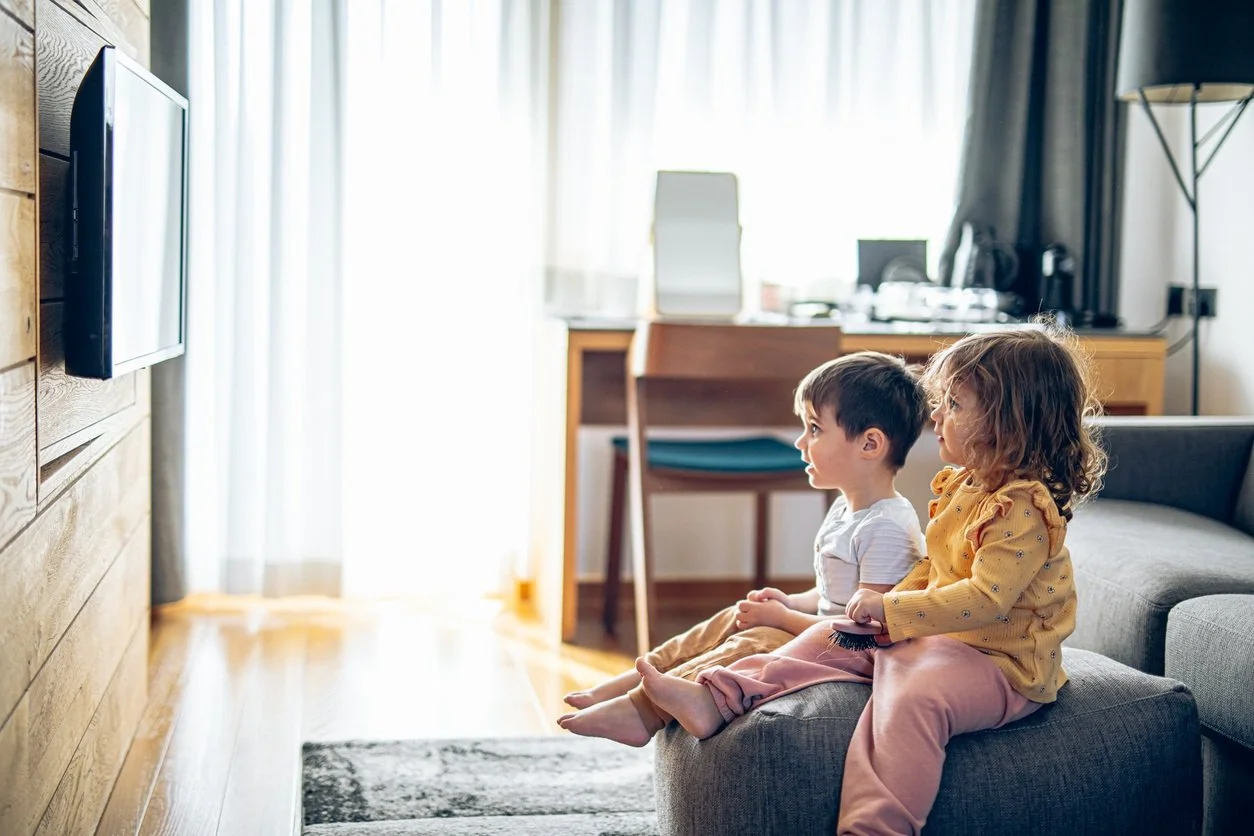
In recent years, a significant shift has occurred in how parents approach screen time, moving away from the hyper-fast pacing of modern cartoons toward "low stimulation" programming. This trend, often dubbed "Slow TV" for kids, has gained traction on social media platforms like TikTok and Instagram, where parents share anecdotes of improved behavior after switching their children’s viewing habits. The movement is largely a reaction to the sensory overload found in many popular contemporary shows, which are designed to capture attention through rapid scene changes, saturated colors, and constant noise. Parents are increasingly seeking content that entertains without overexciting the nervous system.
The primary driver behind this preference is the desire to mitigate the "post-screen time meltdown." Many parents have noticed that after watching high-stimulation shows—programs featuring flashing lights, shouty dialogue, and editing cuts every few seconds—children often exhibit signs of dysregulation. This can manifest as irritability, hyperactivity, or difficulty transitioning to other activities, sometimes referred to as a "screen hangover." The theory is that high-stimulation content floods the brain with dopamine, making the real world feel painfully slow and boring by comparison, which leads to withdrawal-like symptoms when the TV is turned off.
Low stimulation shows, by contrast, are designed to mimic the natural pace of life. They utilize longer camera shots, allowing the child to process the scene fully before it changes. The color palettes are often muted or pastel rather than neon, and the sound design relies on natural ambient noises and conversational voice levels rather than constant background music and frenetic sound effects. These design choices aim to invite the child into the story as an observer rather than bombarding them as a passive recipient of sensory data.
Beyond just preventing tantrums, proponents argue that these shows foster better cognitive engagement. Because the pacing is slower, children have the time to think, ask questions, and understand the social-emotional lessons being presented. Instead of being hypnotized by the motion, they are actively processing the narrative. This aligns with the "Mr. Rogers approach," prioritizing connection and calmness over chaos, allowing children to learn emotional regulation through modeling rather than just distraction.
A Starter Watchlist: Low Stimulation Favorites
If you are looking to introduce calmer content into your rotation, these shows are excellent starting points:
Trash Truck (Netflix): A gentle show about a boy and his best friend, a giant garbage truck. It features soft animation, realistic dialogue, and quiet adventures.
Little Bear (Paramount+/YouTube): A classic example of low stimulation, this show features calming classical music, slow storytelling, and a focus on nature and friendship.
Puffin Rock (Netflix): Narrated by Chris O'Dowd, this Irish animated series follows a young puffin and her family. It is renowned for its soothing voiceover and beautiful, watercolor-style art.
Tumble Leaf (Amazon Prime): A stop-motion series that encourages play and exploration. The pacing is deliberate, and the visual style is textured and earthy rather than bright and flashy.
Mister Rogers' Neighborhood (PBS/Various): The original blueprint for low-stimulation TV, focusing on direct-to-camera interaction, silence, and slow, deliberate explanations of the world.
Stillwater (Apple TV+): Based on the "Zen Shorts" books, this show features a wise panda teaching three siblings about mindfulness and emotional intelligence through slow, thoughtful stories.
As you curate your child's watchlist, consider asking yourself these questions to gauge how different shows impact their well-being:
How does the transition happen? When the TV turns off, does your child move easily into play, or does it take a struggle to disconnect?
What is the "energy after-effect"? Do you notice your child becoming more creative and calm after watching a specific show, or do they seem wired and aggressive?
Is the show inviting or hypnotizing? Is your child laughing, pointing, and asking questions during the program, or are they staring blankly with a "zombie-like" focus?
How does the sound make you feel? If you close your eyes and listen to the show, does the audio feel frantic and stressful, or is it calm and conversational? (Often, if it stresses you out, it is stressing them out too.)
Ultimately, the shift toward low stimulation programming isn't about demonizing all fast-paced entertainment or striving for a "perfect" media diet. It is simply about recognizing that media is a form of sensory input, and like food, different inputs yield different energy levels. By incorporating "Slow TV" into the rotation, parents can give their children a digital deep breath. These shows offer a safe harbor where kids can be entertained without being overwhelmed, proving that sometimes, the best way to capture a child’s imagination is to simply give it room to breathe.