

What is The Tonie Box? And Why Parents Are Embracing Audio in 2026
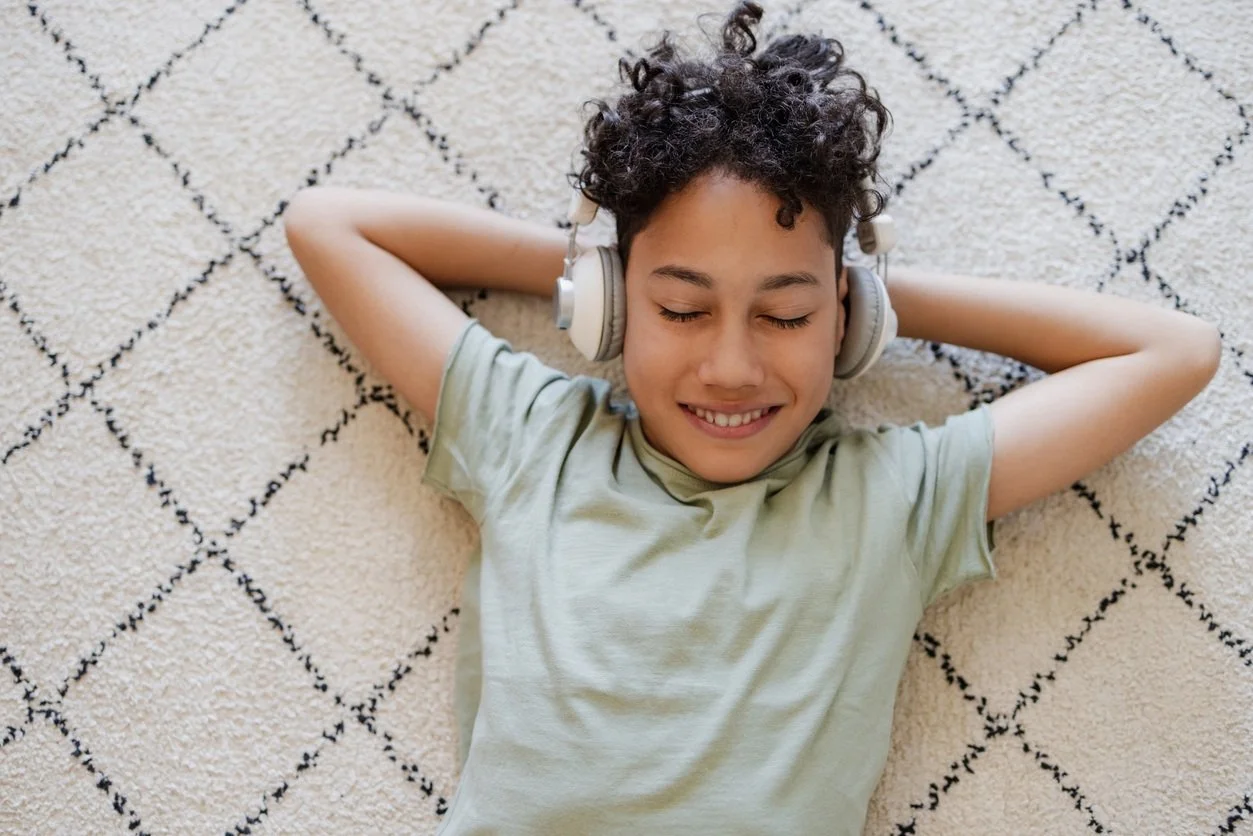
Parents are quietly rethinking how their kids consume entertainment, and screens are no longer the default. As concerns around screen time, overstimulation, and passive consumption grow, many families are rediscovering the power of audio first play. Instead of flashing visuals and endless swipes, today’s parents are embracing tools that encourage imagination, listening skills, and independent play.
Enter the Toniebox, a soft, screen free audio device designed specifically for kids. With its tactile characters, simple controls, and growing library of stories, music, and educational content, the Toniebox has quickly become a favorite in nurseries, playrooms, and bedtime routines. It is not just a toy. It is part of a larger shift toward more mindful media for children.
As kids audio content continues to surge, from audiobooks and podcasts to interactive storytelling, the Toniebox sits at the center of this movement. In this guide, we will break down what the Toniebox is, why parents are embracing audio based toys, how it works, how it compares to alternatives, and why devices like this are likely here to stay.
Emerging Trends of Kids Audio
Kids audio is having a quiet but powerful moment. Over the last few years, audiobooks, kid friendly podcasts, and interactive storytelling have surged as parents look for healthier ways to entertain and educate their children without relying on screens. What was once limited to bedtime stories or long car rides has expanded into daily routines like quiet play, morning wind downs, and independent listening time.
Part of this shift stems from growing concern over how much time children are spending on screens. According to the PMC, only about 35.6% of children aged 2 to 5 years are meeting the recommended guideline of no more than one hour of screen time per day. With ongoing worries from parents about attention issues, disrupted sleep, and behavioral concerns associated with screen overuse, many families are seeking alternatives that still engage kids without visual stimuli.
Audio content offers a compelling option by engaging the brain without visual overstimulation. Listening encourages kids to imagine characters, settings, and stories on their own, helping develop creativity, focus, and comprehension skills in ways passive video often does not.
Another key trend is the rise of age appropriate, high quality audio designed specifically for kids. Publishers and creators are investing in original content that blends storytelling, music, learning, and emotional development. Many of these experiences are now built to be interactive or serialized, keeping children engaged over time while still allowing parents to feel confident about what their kids are consuming.
Finally, hardware is catching up to content. Parents are no longer relying on smartphones or tablets to deliver audio. Dedicated kids audio devices like the Toniebox are gaining popularity because they give children independence while maintaining parental control. Together, these trends point to a broader shift toward intentional, screen free media that supports both childhood development and modern family life.
What Is a Toniebox?
The Toniebox is a screen free, interactive audio player designed specifically for young children. Instead of buttons, apps, or touchscreens, the Toniebox uses physical figurines called Tonies to play stories, music, and educational content. Kids simply place a Tonie character on top of the box, and the audio begins automatically.
The device itself is soft, durable, and built to withstand everyday kid use. It is wrapped in a padded fabric shell, making it safe for toddlers and young children to handle independently. There are no menus to navigate and no reading required, which allows even very young kids to control their listening experience without help from a parent.
Each Tonie character represents a specific piece of content. Some feature classic children’s stories, others include popular songs, educational lessons, or original audio adventures. There are also Creative Tonies that allow parents to upload custom audio such as recorded stories, family messages, or playlists. This flexibility makes the Toniebox adaptable as a child grows.
At its core, the Toniebox is designed to encourage independent play, listening skills, and imagination. By removing screens entirely and replacing them with tactile interaction and storytelling, it offers a simple and intentional way for kids to engage with media in a more mindful format.
Why Parents Are Turning to Audio in 2026
As families rethink how media fits into their daily routines, audio has emerged as a trusted middle ground between entertainment and development. Parents want content that keeps kids engaged without the downsides often associated with screens, especially during early childhood years. Audio based experiences offer stimulation without overstimulation, giving children room to imagine, focus, and learn at their own pace. Backed by growing research and shifting parenting habits, it is no surprise that more families are intentionally choosing audio as part of their kids everyday play and learning.
Improved Listening and Comprehension Skills
Listening to stories and audio content trains children’s ability to focus on language and retain information. According to research, children who listen to audiobooks can achieve comprehension levels comparable to those who read print books, helping build core literacy skills even without screens.
Richer Vocabulary Exposure
Audio content often exposes kids to more advanced vocabulary than they might encounter in everyday conversation or books they can read independently. In fact, some studies show children listening to audiobooks are exposed to up to 40% more advanced vocabulary words than those who only read on their own.
Screen Time Reduction and Better Development Outcomes
Parents are increasingly aware that too much screen time can have downsides for young brains. The American Academy of Pediatrics recommends no more than one hour of screen time per day for ages 2–5, and research suggests excessive screen use can negatively affect language development and attention. Choosing audio helps families stick to healthier media habits.
Encourages Imagination and Active Engagement
Unlike passive video watching, listening to stories encourages kids to picture characters, settings, and action in their minds. Audio play invites children to be active participants in the storytelling process, which supports creativity and deeper engagement with content.
Great for Family Bonding and Independent Play
Audio listening can be a shared activity or something kids do on their own. Podcasts and audiobooks provide opportunities for family discussions, shared experiences, and calm routines, while devices like the Toniebox allow children to explore content independently in a safe, controlled way.
Age Groups for the Toniebox
The Toniebox is designed to grow with children, making it appealing to parents who want a long lasting, age appropriate audio device rather than a short term toy. While it is officially recommended for ages 3 and up, many families introduce it earlier with supervision, especially during shared listening moments like story time or winding down before bed.
For toddlers around ages 2 to 3, the Toniebox works best as a guided experience. Parents often control which characters are used and help with basic interaction, while kids enjoy listening to songs, nursery rhymes, and short stories. At this stage, the tactile nature of placing a character on the box helps build fine motor skills and cause and effect understanding.
Preschool and early elementary age children, roughly ages 4 to 7, tend to get the most independent use out of the Toniebox. Kids in this range can easily operate the device on their own, choose stories they enjoy, and replay favorites without help. This age group often uses the Toniebox during quiet play, rest time, or bedtime routines, giving parents a screen free option that still feels engaging.
Older children can continue to use the Toniebox through more advanced story content, longer audiobooks, and Creative Tonies that feature custom recordings or playlists. While some families eventually transition to more advanced audio players, many keep the Toniebox as a familiar and comforting option, especially for nighttime listening or calm moments at home.
How Does a Toniebox Work?
The Toniebox is intentionally designed to be simple enough for kids to use without reading, screens, or complicated instructions. Everything about how it works is built around physical interaction, making it intuitive even for very young children. Instead of tapping screens or navigating menus, kids control the entire experience using their hands.
At a basic level, a Toniebox plays audio when a Tonie character is placed on top of it. The content is tied directly to that character, so there is no searching or scrolling involved. Once the audio is downloaded to the box using Wi Fi, it can be played offline, which parents appreciate for travel, bedtime, or quiet time at home.
Unique Design and Turning the Toniebox On and Off
One of the most distinctive features of the Toniebox is that it does not have a traditional power button. To turn it on, a child simply places a Tonie character on top of the box. Removing the character stops playback and effectively turns the device off. This design removes friction and makes the experience feel natural rather than technical.
Volume is controlled by squeezing one of the Toniebox’s soft ears, which kids quickly learn through trial and error. This tactile approach helps children feel confident using the device on their own while avoiding accidental button pressing or menu confusion. For parents, it also means fewer questions and less hands-on management.
Changing Between Parts of Audiobooks and Podcasts
Navigating through content is just as physical and intuitive. To skip forward or backward within a story or song, kids tap the side of the Toniebox. A tap on one side moves the audio forward, while a tap on the other side goes back. This allows children to replay favorite parts or move ahead without needing fine motor precision or on screen controls.
Because the controls are based on simple gestures, kids often master them quickly. Over time, this builds a sense of independence and ownership over their listening experience. Parents benefit too, since kids can manage their own audio without asking for help every few minutes.
The Cost of a Toniebox and Characters
The Toniebox is positioned as a premium kids audio device, and its pricing reflects both the hardware quality and the curated content ecosystem. For most families, the initial investment includes the Toniebox itself plus a small selection of characters, often bundled together as a starter set.
A Toniebox starter set typically ranges from $99 to $120, depending on promotions and included characters. These bundles usually come with the Toniebox, a charging station, and one or more Tonie characters to get kids listening right away. While the upfront cost may feel higher than a basic toy, many parents view it as comparable to a single tablet accessory or a few months of streaming subscriptions.
Individual Tonie characters are sold separately and usually cost between $14 and $18 each. Characters tied to popular franchises or longer story collections can sometimes sit at the higher end of that range. Creative Tonies, which allow parents to upload custom audio, are priced similarly and are often considered one of the most flexible options in the lineup.
Over time, the ongoing cost depends on how frequently families add new characters. Some parents rotate a small collection and reuse favorites for years, while others slowly expand their library for birthdays, holidays, or milestones. Because there are no mandatory subscriptions or in app purchases, families have full control over how much they spend, which is a major factor in the Toniebox’s appeal.
The Most Popular Toniebox Characters
One of the biggest reasons families stick with the Toniebox is the strength of its character library. Tonies combine familiar stories and music with a collectible, toy-like experience that kids instantly connect with. While preferences vary by age and interest, certain characters consistently rank among the most loved due to recognizable stories, repeat listening value, and strong storytelling.
Below are ten of the most popular Toniebox characters parents frequently start with or add to their collections.
Top 10 Most Popular Toniebox Characters
Frozen Elsa Tonie
A favorite for younger listeners, featuring songs and stories inspired by Disney’s Frozen, including familiar music kids love to replay.The Lion King Tonie
A classic choice that blends storytelling and music, often praised for its longer listening time and timeless appeal.Winnie the Pooh Tonie
Gentle pacing and comforting stories make this a popular option for bedtime routines and younger children.Toy Story Tonie
Features beloved characters and engaging narration, making it a strong pick for kids who enjoy adventure driven stories.Paw Patrol Tonie
Especially popular with preschoolers, this Tonie includes short, action oriented stories that work well for quick listening sessions.Moana Tonie
Known for its music and empowering story themes, this character tends to be replayed frequently.Peppa Pig Tonie
Short episodes and familiar characters make this a go to for toddlers and early listeners.Cocomelon Tonie
A music focused option that appeals to very young children who enjoy songs and repetition.Classic Fairy Tales Tonie
Often includes multiple stories in one character, offering strong value and variety for imaginative listening.Creative Tonie
One of the most versatile options, allowing parents to upload custom audio such as recorded stories, family messages, or playlists.
Toniebox vs Toniebox 2
As the Toniebox has grown in popularity, many parents have started asking whether there is a meaningful difference between the original Toniebox and the newer Toniebox 2. While both versions are built around the same core idea of screen free, character driven audio, the updates in the newer model focus more on usability and durability rather than a complete redesign.
At a high level, Toniebox 2 keeps the same simple listening experience kids already love. The biggest changes are subtle improvements aimed at parents, including better battery performance and small design refinements that make everyday use easier. For families already invested in Tonie characters, both versions are fully compatible with the same content library.
Key Differences at a Glance
| Feature | Toniebox | Toniebox 2 |
|---|---|---|
| Core functionality | Character based audio playback | Same character based audio playback |
| Audio quality | Good | Slightly improved |
| Battery life | Solid for daily use | Longer battery life |
| Charging | Charging station | Improved charging reliability |
| Durability | Soft and kid friendly | Reinforced build for frequent handling |
| Tonie compatibility | All Tonies | All Tonies |
For new buyers, the Toniebox 2 is often the preferred option simply because it reflects the most current version of the product. The improvements may feel incremental, but hey add up for families who use the device daily. Longer battery life and improved charging reduce friction, especially during bedtime routines or travel.
That said, parents who already own the original Toniebox do not need to rush to upgrade. The listening experience itself remains nearly identical, and kids typically do not notice the differences. In most cases, the decision comes down to availability, price, and whether a family is buying their first Toniebox or adding another one to their home.
Top Toniebox Alternatives
Yoto Player 3rd Generation – A full featured, screen-free audio player for kids with a large content library of stories, music, podcasts, and activities. Instead of figurines, kids play content via physical cards that are easy to use and collect — similar to Tonies but often with more variety and longer stories. According to reviews, Yoto players are excellent for children of various ages and can grow with them as interests evolve.
Yoto Player – Another version of the Yoto audio player with strong parental controls, offline playback, and support for both pre-made and custom audio cards. Yoto is often praised for its broad library and ease of use beyond just preschool age.
TIMIO Starter Kit – A kids audio player with preloaded stories and music designed to be intuitive and screen-free. TIMIO devices often include physical controls that are easy for children to navigate and can be a great intermediate option between very simple players and more robust systems like Yoto.
Qubitunes Screen‑Free Interactive Audio Player – A higher-end screen-free device focused on interactive storytelling and immersive audio for children. This is a strong choice if you want something a bit more advanced with interactive features that go beyond standard narration.
Alilo G9S+ Baby Bunny Portable Kid’s Audio Player – A portable audio player for younger children with simple controls and fun character design. Great for toddlers and preschoolers who want to listen to music, lullabies, and stories without complicated buttons or screens.
Ms. Rachel Bluetooth Sing‑Along MP3 Player – A budget-friendly option with Bluetooth connectivity that’s ideal for parents who already have audio content or want to play playlists and sing-along songs easily.
Storypod Audio System – A story-focused system with pods that play audio when placed on the base, similar in concept to Tonies. It’s another collectible and interactive format that encourages independent listening and imaginative play.
WonderBuddy Kids Story Box Audio Player – A screen-free storyteller that encourages creativity through its voice-recording feature and preloaded tales. Good for kids who enjoy narrating their own stories or listening to a mix of songs and stories without ads or screens.
Toniebox vs Yoto Player
As kids audio devices grow in popularity, two names consistently rise to the top: the Toniebox and the Yoto Player. Both are screen free, designed for independent use, and built around physical interaction rather than apps or scrolling. Where they differ is in how content is accessed, how long the device can grow with a child, and the level of flexibility parents want.
For many families, the decision comes down to age, listening habits, and whether they prefer a playful, toy like experience or a more expandable audio system that works well into later childhood.
| Feature | Toniebox | Yoto Player |
|---|---|---|
| Target age range | Best for ages 3 to 7 | Works well from ages 3 to 10+ |
| How content plays | Physical figurines placed on top | Physical cards inserted into player |
| Content style | Stories and music tied to characters | Stories, music, podcasts, activities |
| Independence for young kids | Very high, no reading required | High, but cards may require light organization |
| Audio navigation | Tapping sides and squeezing ears | Buttons and simple controls |
| Custom content | Creative Tonies allow uploads | My Cards allow uploads and playlists |
| Offline listening | Yes | Yes |
| Portability | Moderate | High, designed for travel |
| Long term scalability | Strong for early childhood | Strong through later childhood |
| Overall feel | Playful and toy like | Functional and expandable |
How to Choose Between Them
The Toniebox is often the better fit for younger children who benefit from tactile play and simple cause and effect interaction. The character based system feels like a toy first and an audio player second, which is why many parents introduce it early.
The Yoto Player tends to appeal to families thinking longer term. Its card based system and broader content library make it easier to adapt as kids grow, especially for school age listeners who enjoy longer stories, podcasts, and structured listening.
Both devices support healthy, screen free listening habits. The right choice depends less on which one is better and more on which one fits your child’s age, attention span, and listening routine.
Why We Think Kids Audio Devices Demand Will Continue to Increase
Kids audio devices sit at the intersection of several long term shifts in how families approach technology, learning, and childhood development. Rather than being a passing trend, products like the Toniebox reflect deeper changes in parenting priorities that are unlikely to reverse anytime soon.
First, parents are becoming more intentional about screen time rather than eliminating technology altogether. Audio offers a practical middle ground. It keeps kids entertained and engaged without visual overstimulation, making it easier for families to follow screen time recommendations while still offering meaningful content. As awareness around digital wellness grows, audio naturally benefits from being perceived as a healthier default.
Second, the rise of independent play is driving demand. Many parents are looking for tools that allow children to engage on their own without constant supervision. Kids audio devices encourage autonomy by letting children choose content, control playback, and revisit favorites independently. This aligns with broader parenting trends that emphasize self directed play, creativity, and confidence building.
Third, content ecosystems around kids audio are expanding rapidly. Audiobooks, podcasts, music, and educational storytelling for children are growing in both quality and quantity. As more publishers and creators invest in audio first content, the value of dedicated listening devices increases. Hardware and content reinforce each other, creating long term staying power.
Finally, kids audio devices fit seamlessly into modern family routines. They work well for bedtime, quiet time, travel, and transitions throughout the day. Unlike screens, audio can coexist with play, movement, and imagination. As families continue to balance busy schedules with mindful media choices, audio devices offer flexibility without friction.
Taken together, these factors suggest that kids audio devices are not just popular right now. They are becoming a foundational part of how families think about entertainment, learning, and healthy media habits moving forward.
Starglow Media: The Best in Family Audio
Discover screen free podcasts and audio stories designed to spark imagination, encourage independent listening, and fit seamlessly into daily family routines. Starglow Media delivers thoughtful, high quality audio experiences parents trust and kids love.