

How to Make Learning Fun for Kids: 15 Tried and True Strategies That Actually Work
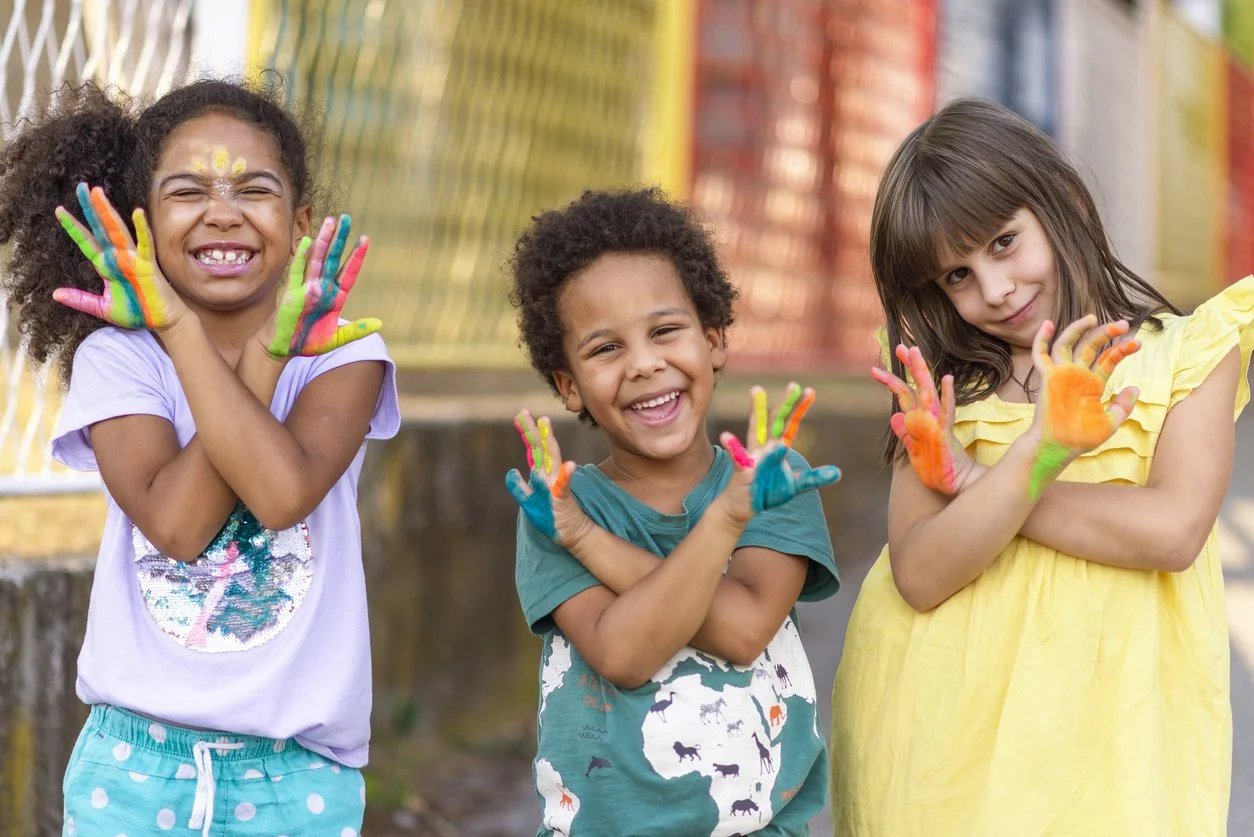
If you have ever watched your child light up while building a blanket fort or figuring out how a magnet works, you already know the truth: kids are natural learners. The challenge isn't getting them to learn. It's keeping that spark alive when the subject matter feels dry, the worksheet is long, or the motivation just isn't there.
The good news? Decades of research in child psychology confirm what most parents sense instinctively. When learning feels fun, children absorb information faster, retain it longer, and develop a genuine love for discovery that follows them well into adulthood. A study from the European Journal of Psychology of Education found that learning conditions designed to feel fun and challenging produce better outcomes than traditional approaches, largely because they support three core psychological needs: relatedness, competence, and autonomy.
So how do you actually pull it off at home, day after day, without turning every evening into a Pinterest project? Here are 15 practical strategies, backed by research and real parent experience, that make learning genuinely enjoyable for kids of all ages.
1. Turn Lessons Into Games (Yes, It Really Works That Well)
This one tops nearly every expert list for a reason. When you wrap a concept inside a game, children stop thinking about "learning" and start thinking about winning, solving, or discovering. The psychological shift is powerful.
You don't need anything fancy. A deck of cards can teach number recognition, greater than and less than, and basic addition. Board games like Scrabble build vocabulary. A scavenger hunt with Post-it notes around the living room can turn reading practice into an adventure.
One homeschooling parent shared a simple trick that stuck: "I hid sight words on sticky notes around the living room. My daughter had to read each word as she found them. She asked to do it again three times." (HomeSchool ThinkTank)
The key is matching the game to the skill. Math Bingo works for multiplication facts. Timeline (the card game) teaches historical thinking. Even a simple "quiz show" format at the dinner table can make review sessions feel exciting instead of tedious.
2. Get Their Hands Dirty With Hands-On Learning
A lot of kids are kinesthetic learners, meaning they understand concepts better when they can touch, build, and physically interact with materials. Even kids who aren't primarily kinesthetic benefit enormously from active learning because it puts them in the driver's seat.
Think about the difference between reading about volcanoes and actually building one with baking soda and vinegar. Or learning fractions from a textbook versus measuring ingredients to bake cookies together.
According to research highlighted by HMH (Houghton Mifflin Harcourt), students who physically act out math word problems are significantly more likely to solve them correctly than students who just read and compute. The body remembers what the mind might forget.
Quick ideas to try at home:
Build a simple machine from recycled materials to explore physics
Grow a small garden to learn about biology and responsibility
Use measuring cups and kitchen scales during cooking to practice math
Create a historical diorama from craft supplies after a reading lesson
3. Let Your Kids Choose
This one is deceptively simple but incredibly powerful. When children feel a sense of ownership over what and how they learn, their motivation jumps. Research from the University of Wisconsin-Madison found that involving children in planning their own study activities increased their commitment to learning by 20%.
You don't have to hand over the entire curriculum. Small choices make a big difference. Let them pick which subject to start with. Offer two or three book options for reading time. Ask whether they would rather practice spelling words by writing them, typing them, or spelling them out loud.
As the team at The Pathway 2 Success puts it, giving kids choices makes lessons more enjoyable while building real decision-making skills at the same time.
4. Build In Movement and Breaks
Children aren't designed to sit still for long stretches, and honestly, neither are most adults. Movement isn't the enemy of focus. It's the fuel for it.
Child psychologists consistently recommend short, focused learning sessions of about 20 to 30 minutes for younger children, followed by a quick physical break to reset. When kids know a break is coming, they stay more engaged during the work period.
But movement can also be part of the lesson itself. Hop to each answer on a number line taped to the floor. Do jumping jacks while practicing multiplication tables. Act out a scene from a story you just read together.
The Miracle Recreation research team notes that incorporating physical movement into lessons engages different parts of the brain and enhances both memory and retention.
5. Use Storytelling to Bring Concepts to Life
Stories are one of the oldest and most effective teaching tools on the planet. They give abstract concepts a narrative structure that makes them easier to remember. They build emotional connections to the material. And they naturally hold a child's attention in ways that straight instruction often doesn't.
You can weave storytelling into almost any subject. Turn a history lesson into a first-person narrative from a character who lived through the event. Frame a science concept as a mystery to solve. Even math problems become more engaging when they are set inside a story.
Role-playing takes this a step further. When kids step into a character's shoes and act out scenarios, they process information on a deeper level. According to Begin Learning, storytelling captivates children's imaginations and helps them connect with material in ways that traditional instruction cannot match.
6. Connect Learning to the Real World
"Why do I need to know this?" If you have heard that question (and most parents have), the answer is to show them.
Real-world connections give learning context and purpose. When a child sees that fractions matter because you need them to double a recipe, or that reading comprehension matters because you need it to follow assembly instructions, the motivation shifts from external to internal.
Research highlighted by the ASCD (Association for Supervision and Curriculum Development) shows that students understand and retain information 40% better when they can see its real-life applications.
Some everyday opportunities:
Grocery shopping: budgeting, unit prices, estimation
Cooking: measurement, fractions, following written instructions
Road trips: map reading, distance calculations, geography
Gardening: biology, patience, scientific observation
Family projects: planning, problem-solving, collaboration
7. Swap "Work" Language for "Exploration" Language
This subtle shift can change a child's entire relationship with learning. The word "work" sounds heavy to kids (and to most adults, if we're being honest). Replacing it with words like "discover," "investigate," "explore," and "experiment" reframes the entire experience.
Instead of "time to do your math work," try "let's figure out this puzzle." Instead of "read this chapter for homework," try "let's find out what happens next in the story."
New Horizon Academy recommends encouraging every "why" question your child asks, treating each one as a doorway to something new rather than an interruption. That curiosity is the engine of lifelong learning.
8. Bring In Technology (Thoughtfully)
Educational apps, interactive websites, and digital tools can make learning incredibly engaging when used with intention. The key word here is "thoughtfully." Technology works best as one tool among many, not as a babysitter.
Look for apps and platforms that present information through games, animations, and interactive challenges rather than passive consumption. Tools like Prodigy turn math practice into a role-playing adventure. Science apps let kids virtually dissect frogs or explore the solar system. Language apps gamify vocabulary building with streaks and rewards.
Set clear boundaries around screen time and balance digital learning with offline activities. The goal is to use technology to complement hands-on learning, not replace it.
9. Praise the Effort, Not Just the Outcome
This one comes straight from Stanford researcher Carol Dweck's groundbreaking work on growth mindset. Children who are praised for their effort ("you worked really hard on that problem") rather than their ability ("you're so smart") are more likely to embrace challenges, persist through difficulty, and ultimately perform better.
According to Dweck's research, highlighted by Freudly, children who associate struggle with a lack of intelligence tend to avoid difficult tasks or give up when they hit a wall. On the other hand, children who view challenges as learning opportunities are more likely to keep working until they find a solution.
This means celebrating the messy middle of learning, not just the final grade. When your child sticks with a tough problem, notice it. When they try a new strategy after the first one fails, point it out. That persistence is worth more than any single correct answer.
10. Make It Social
Learning doesn't have to be a solo activity. When children work together, whether with siblings, friends, or parents, they retain information faster and develop critical thinking and communication skills along the way.
Study groups, collaborative projects, and even friendly competitions can transform learning from a chore into a social event. The Pathway 2 Success notes that cooperative learning breaks up routine and makes the experience much more enjoyable.
Even something as simple as taking turns being the "teacher" can be powerful. When a child explains a concept to someone else, they solidify their own understanding in the process.
11. Follow Their Interests (and Run With Them)
One of the most reliable ways to make learning fun is to start with what your child already cares about. A kid obsessed with dinosaurs can learn reading through dinosaur books, practice math by calculating how long ago different species lived, and explore science through paleontology.
Ronit Baras of Family Matters explains that when children learn about something that genuinely interests them, they get excited about the process itself. That excitement is vital for making learning feel natural rather than forced.
This doesn't mean you only teach what they want to learn. It means you use their passions as entry points into broader subjects. A child who loves Minecraft can learn geometry through building. A kid who loves cooking can explore chemistry through baking experiments.
12. Integrate Arts, Music, and Creativity
Drawing, painting, singing, and creating aren't just "extras" to squeeze in after the real learning is done. They are powerful learning tools in their own right.
When children draw what they have learned, they process it visually. When they set facts to a song, they tap into the brain's natural affinity for rhythm and melody to boost memory. When they write a creative story incorporating new vocabulary words, they practice language in context.
Research from the Educational Research Review shows that visual aids and creative expression can improve retention rates by up to 30%. Music and movement engage different parts of the brain simultaneously, creating stronger and more durable memory connections.
13. Try Podcasts and Audio Learning
Here's one that many parents overlook: educational podcasts. They are screen-free, portable, and surprisingly effective at capturing kids' attention while teaching real content.
A 2024 University of California analysis found that just 11 minutes of daily listening to story-based STEM podcasts, paired with parent-child conversations afterward, enhanced children's higher-order thinking skills like critical reasoning. Audio storytelling also introduces vocabulary words kids might not hear at home, builds empathy, and sparks imagination in ways that visual media sometimes doesn't.
Shows like Who Smarted? use comedy and sound effects to teach science and history facts. KidNuz delivers age-appropriate current events in just seven minutes. Stories Podcast weaves lessons into original bedtime stories. Girl Tales reimagines classic fairy tales with empowering twists.
If you're looking for high-quality, educational podcasts your kids will actually enjoy, check out the full lineup at Starglow Media's podcast library. Starglow is a purposeful parenting company focused on helping families find their screen-life balance through audio content that kids love and parents trust. With over 50 series and 10 million monthly downloads, their shows cover everything from math adventures and science mysteries to bedtime stories and daily news for kids. It's one of the easiest ways to sneak learning into car rides, quiet time, and bedtime routines.
14. Create a Supportive Learning Environment
The physical and emotional space where learning happens matters more than most parents realize. A calm, clutter-free spot with good lighting helps a child's brain shift into focus mode with less resistance. Having consistent routines around learning time also reduces friction and makes the transition smoother.
But the emotional environment is even more important. Psychologists consistently emphasize that curiosity and emotional safety are the strongest motivators for learning. When children feel safe to make mistakes without judgment, they are far more willing to take risks and try new things.
Research from the Harvard Graduate School of Education found that 68% of children are inspired to engage in learning when they see their parents doing the same. So pick up a book while they are reading. Work on a puzzle while they are doing math. Show them that learning isn't just a kid thing. It's a family thing.
15. Embrace the Struggle (It's Part of the Fun)
This last point might seem counterintuitive in an article about making learning fun, but it's important. Not every moment of learning will feel light and easy, and that's okay. In fact, the research suggests that a bit of productive struggle is where the deepest learning happens.
Seymour Papert, the legendary MIT educator, coined the term "hard fun" to describe the enjoyment that comes from being deeply absorbed in a challenging project. As the team at Prisma explains, the fun has to be integrated into the challenge itself, not tacked on as a reward for getting through the boring parts.
Even the Psychology Today perspective on this topic acknowledges that while fun is valuable, building the capacity for self-regulation and persistence is equally important. The goal isn't to eliminate all difficulty. It's to help your child see difficulty as an exciting puzzle to solve, not a reason to give up.
As one teacher on Reddit's parenting community put it: "It's not fun watching your kids make mistakes, but failures and hard things are important learning opportunities. When kids experience small ordinary hardships, it gives them an opportunity for growth."
The Bottom Line
Making learning fun for kids isn't about turning every lesson into a party. It's about understanding how children naturally learn best and building on that. It's about curiosity over compliance, connection over control, and exploration over obligation.
The research is clear: when children are engaged and enjoying the process, they absorb more, retain it longer, and develop habits of mind that serve them for life. You don't need expensive curricula or elaborate setups. You need presence, creativity, and a willingness to follow your child's lead.
Start small. Pick one or two strategies from this list and try them this week. Watch what lights your child up, and do more of that. Learning was never meant to be a grind. For kids, the whole world is a classroom. Sometimes they just need a little help remembering that.