

Popular Morning Routine for Kids + It’s Benefits
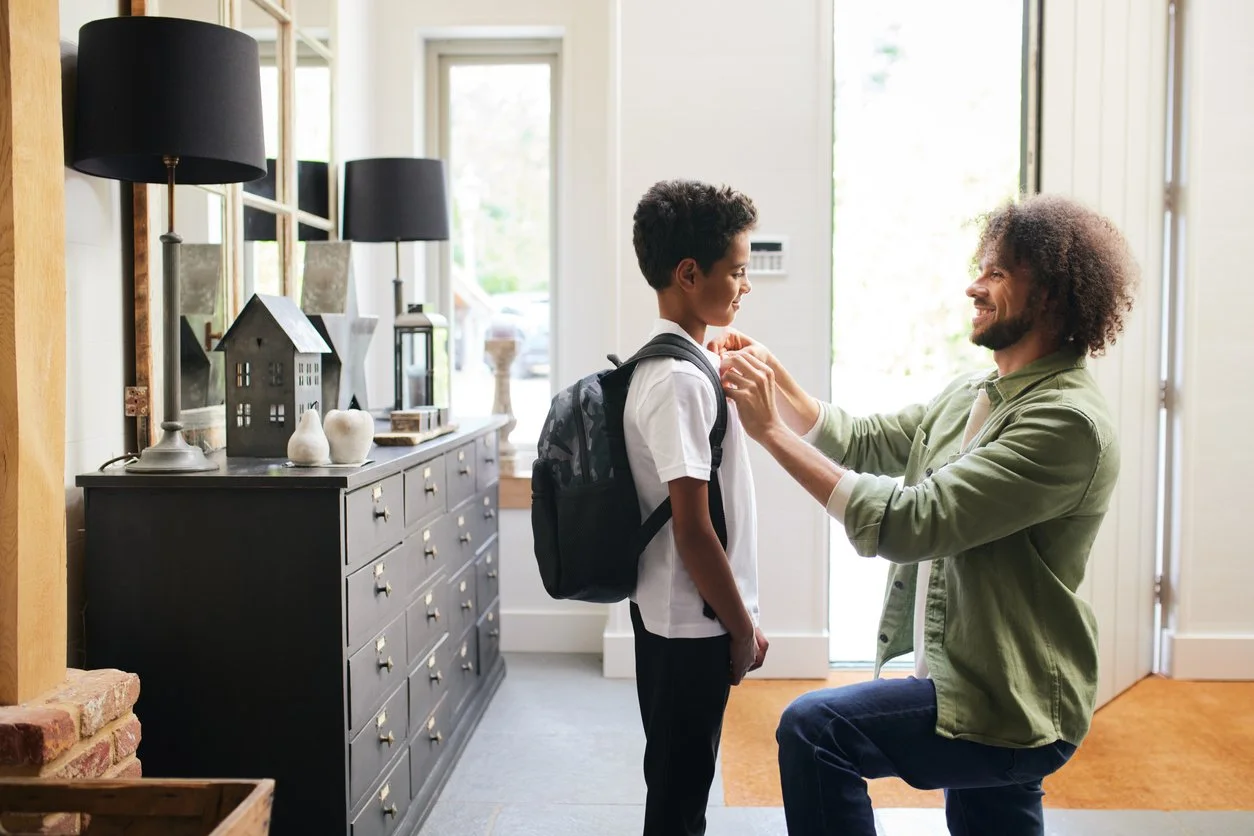
If your mornings involve frantic searches for missing shoes, breakfast negotiations, and last-minute homework discoveries, you're not alone. For millions of families, school mornings feel like daily battles against the clock. The good news? A well-designed morning routine can transform this chaos into calm, and it's simpler than you might think.
This comprehensive guide combines research-backed strategies, expert recommendations, and real-world tips from parents in the trenches to help you create a morning routine that actually works for your family.
Why Morning Routines Benefit Kids
The benefits of morning routines extend far beyond simply getting out the door on time. Neuroscience research shows that children's brains function best when they know what to expect. Predictability calms the nervous system and strengthens focus, making learning more accessible throughout the school day.
According to Dr. Escalante, a pediatric specialist, routines help children in several important ways. Kids wake up well-rested and experience less anxiety about the unknown because they know what to expect. Morning routines also make executive functioning tasks like time management, prioritizing, and organization easier—skills that are especially beneficial for kids with ADHD or complex medical needs.
Research confirms that children with regular morning routines show stronger early academic skills in reading and math. The predictable daily structure supports memory, self-control, and flexible thinking—all critical skills for classroom success.
Beyond academics, morning routines foster independence. When children know what to expect each morning, they learn to take ownership of small tasks like getting dressed, brushing teeth, and eating breakfast. This builds confidence and accountability from an early age.
The Best Morning Routine Structure for Kids
Every effective morning routine includes several core elements. The key is sequencing them in a way that minimizes friction and maximizes flow.
Essential Components:
Wake-up (with adequate time to adjust)
Hygiene tasks (bathroom, brushing teeth, washing face)
Getting dressed
Eating a nutritious breakfast
Final preparations (backpack, lunch, shoes, coat)
Departure buffer time
Sample Morning Timeline:
For a family that needs to leave by 7:45 AM, a typical routine might look like this:
6:30 AM – Wake up, bathroom, wash face
6:45 AM – Get dressed
7:00 AM – Breakfast
7:20 AM – Brush teeth, final grooming
7:30 AM – Gather belongings, put on shoes and coat
7:40 AM – Buffer time for unexpected delays
7:45 AM – Out the door
Experts recommend allowing 45 minutes to 1 hour for the full routine. This provides adequate time for young children to practice independence while staying on schedule.
Age-Specific Morning Routines
Children's capabilities and needs vary dramatically by age. Here's how to tailor your routine accordingly.
Toddlers and Preschoolers (Ages 2-5)
Young children thrive with visual schedules, playful transitions, and routine reinforcement. At this age, they can manage tasks like putting away toys, choosing clothes from two pre-selected options, and putting dirty clothes in the hamper.
Tips for this age group:
Use picture charts showing each step of the routine
Build in extra time—everything takes longer with little ones
Turn tasks into games or songs
Offer limited choices to foster independence while preventing overwhelm
Celebrate small wins to build positive associations with the routine
Early Elementary (Ages 6-8)
Children at this stage can handle more responsibility and begin to internalize routine steps. They can independently brush their teeth, get dressed, pack their belongings, and clear their breakfast plates.
Tips for this age group:
Transition from picture charts to simple written checklists
Introduce the concept of time management with visible clocks
Allow natural consequences for forgotten items (within reason)
Start involving them in planning the routine
Older Kids and Tweens (Ages 9-12)
By age 10, children should be able to get themselves up for school independently every day. They're definitely old enough to keep track of all their own things, including where they left their homework.
Tips for this age group:
Give them full ownership of their morning routine
Use block scheduling for more advanced time management
Let them set their own alarms
Hold them accountable for remembering their own items
If they need to remember something, they should put it in their bag themselves
7 Proven Tips from Real Parents
Beyond the standard advice, parents in online communities like Reddit have shared battle-tested strategies that make mornings genuinely easier. Here are the most effective tips from parents who've been in the trenches.
1. The Smart Speaker Routine Hack
One ADHD dad shared what he called a "lifesaving tip" using Alexa routines. The automated routine starts at 7 AM on weekdays with a personalized wake-up message, followed by a weather report 15 seconds later. This cues children about what clothes to wear without requiring parent involvement.
As he explained, using a smart speaker "takes the emotion out of what usually is an incredibly stressful process for all." The automated announcements remove the nagging dynamic between parent and child, making mornings more peaceful for everyone.
2. The "When-Then" Approach
The When-Then routine structures your morning so all the less enjoyable tasks are completed before the most desirable part of the morning. For example: "When you get dressed, brush your teeth, and make your bed, then we have breakfast."
This approach keeps kids motivated to complete everything—even the tasks they'd rather skip—because they know something enjoyable awaits. It eliminates constant reminders and puts children in control of their own progress.
3. Night-Before Preparation
Parents consistently emphasize that the best mornings start the evening before. Have your child pick out their clothes the night before, or keep a selection of appropriate school clothes at their level so they can quickly choose their outfit in the morning.
Assign a dedicated spot—a box, hook, or shelf—for all school essentials so you aren't searching for backpacks, shoes, and lunch boxes each morning. Take a few minutes to review the next day's schedule together and ensure all homework and books are packed.
4. Wake Up Before Your Kids
This tip appears repeatedly in parent discussions: get up earlier than your kids so you're dressed and emotionally centered before you interact with them.
One parent recommended planning to arrive at work fifteen minutes earlier than you're due. Half the time you won't make it, but you also won't lose your temper at your kids because you won't actually be late.
5. Give Kids a Visual Checklist
Provide your child with a checklist—in pictures for younger children or words for older ones—on a clipboard and let them manage their own tasks. Kids as young as 4 years old can wake themselves up with an alarm clock and complete their routine independently with the right visual support.
The checklist provides children with autonomy and independence. Instead of relying on verbal reminders, it allows kids to take ownership of their responsibilities.
6. Use Visual Timers
Using a visual timer helps children manage the time spent on morning tasks. The Time Timer or similar products show time passing in a concrete way that young children can understand. This prevents them from getting distracted and keeps the morning moving.
The key to routines that work is making them predictable while maintaining reasonable expectations. Timers help children develop an internal sense of how long tasks actually take.
7. Build in Extra Time
If you're in the habit of cutting it close, don't underestimate the time your family needs to complete the morning routine. Experienced parents recommend exaggerating your time estimate and then adding 10-20 minutes on top of that.
This buffer accounts for the inevitable shoe that goes missing, the sibling squabble, or the sudden need to use the bathroom right before departure.
The 5-5-5-30 Morning Routine: A Game-Changer for Parents
If you struggle with morning energy, the 5-5-5-30 routine might transform how you start your day—and by extension, how you help your kids start theirs.
What Is the 5-5-5-30 Routine?
Created by author and entrepreneur Sahil Bloom, this quick exercise routine is designed to boost energy and focus first thing in the morning:
5 push-ups
5 squats
5 lunges
30-second plank
You do it right when you get out of bed. It's designed to jumpstart your metabolism and give you a natural energy boost.
Why It Works
Starting your day with movement, even just a minute or two of it, boosts blood flow and oxygen to the brain, activates the nervous system, and releases endorphins. The mental difference surprises most people. Users report feeling more alert and switched on, greeting their kids in the morning with a genuine smile rather than groggy irritation.
Adapting It for Kids
While the standard routine works well for adults, you can modify it for children who want to participate. Turn it into a family activity with age-appropriate modifications—perhaps 3 jumping jacks, 3 squats, and a 15-second "superhero pose" for younger kids. Making it fun and brief ensures children will actually want to participate.
The 9-Minute Rule: Building Connection Into Your Morning
Beyond logistics, the best morning routines also nurture the parent-child relationship. The 9-Minute Theory, developed by neuroscientist Dr. Jaak Panksepp, offers a framework for meaningful daily connection.
What Is the 9-Minute Rule?
The theory suggests parents focus on three key moments each day, each lasting about three minutes:
The first three minutes after your child wakes up
Three minutes after they come home from school or daycare
The last three minutes before they go to bed
These nine minutes total represent the golden moments when children are most receptive to connection.
Why These Moments Matter
Dr. Panksepp's research found that special contacts—like hugging, tickling, or patting—create positive emotions. His theory provides structure for creating these special moments that leave kids with positive feelings throughout the day.
Children who speak regularly with their parents show improvements in language and vocabulary skills. Combined with the emotional benefits, these interactions help create children with higher social competence later in life.
Implementing It in Your Morning
For mornings, this means dedicating the first three minutes after wake-up to genuine, distraction-free connection. Put down your phone, make eye contact, offer a warm greeting or cuddle. This brief investment sets an emotional tone for the entire day.
Parents who've implemented this approach report significant shifts—not just in their children's behavior, but in their own feelings of guilt about time spent together. Focusing on quality over quantity alleviates negative feelings about busy schedules.
Creating Your Family's Morning Routine Checklist
The most effective routines are ones your family creates together. Here's how to build yours.
Step 1: Audit Your Current Morning
For one week, track what actually happens each morning. Note wake-up times, how long each task takes, where delays occur, and what triggers stress or conflict.
Step 2: Involve Your Children
Have your kids take an active role in building routines. This gives them a sense of ownership and creates buy-in. It shifts the dynamic from children feeling like they're being told what to do, to doing things because they helped choose them.
Step 3: Work Backwards from Departure
Determine what time you need to leave, then work backwards to establish when each task should begin. Add buffer time for transitions.
Step 4: Create Visual Reminders
Whether it's a picture chart for preschoolers or a written checklist for older kids, make the routine visible. Post it where children will see it—on the bathroom mirror, bedroom door, or refrigerator.
Step 5: Make Time Visible
Put clocks throughout your house—in your child's room, the bathroom, the kitchen, even the hallway. Older kids can wear a watch. Making time visible teaches children to manage it themselves.
Step 6: Start with Small Wins
Don't overhaul everything at once. Introduce one or two changes, let them become habit, then add more. Success builds on success.
Step 7: Review and Adjust
After a few weeks, assess what's working and what isn't. Routines should evolve as children grow and circumstances change.
Common Morning Routine Mistakes to Avoid
Even well-intentioned parents fall into these traps:
Underestimating time requirements. Tasks always take longer than you think, especially with children. Build in generous buffers.
Over-relying on verbal reminders. Constant nagging creates stress for everyone. Visual tools and natural consequences work better long-term.
Being too rigid. While consistency matters, perfection isn't the goal. Some mornings will go sideways. Build resilience by handling disruptions calmly.
Skipping breakfast. A nutritious morning meal affects focus, mood, and energy throughout the school day. Protect breakfast time in your schedule.
Neglecting sleep. The foundation of a successful morning routine is a solid evening routine with consistent, age-appropriate bedtimes. Tired children struggle with everything.
Doing too much for your children. It's faster to put on their shoes yourself, but fostering independence serves them better long-term. Allow extra time for children to practice skills.
Ignoring emotional needs. Rushing through mornings without connection leaves children feeling unsettled. Even brief moments of warmth make a difference.
Frequently Asked Questions
What is the best morning routine for kids?
The best morning routine for kids is one that's consistent, age-appropriate, and developed with their input. Research shows effective routines share several characteristics: they provide adequate time without rushing, include all essential tasks (hygiene, dressing, breakfast, preparation), use visual tools like checklists or picture charts, build in connection time between parent and child, and start with preparation the night before.
What should a 10 year old's morning routine be?
A 10-year-old should have a morning routine that they manage largely independently. By this age, children are capable of waking themselves with an alarm, completing all hygiene tasks without supervision, selecting and putting on appropriate clothing, preparing simple breakfast items, gathering all school materials, and being responsible for remembering their own belongings.
A sample routine for a 10-year-old might look like: 6:30 AM alarm and wake-up; 6:35 bathroom and grooming; 6:50 get dressed; 7:00 breakfast; 7:20 brush teeth and final prep; 7:30 gather backpack, lunch, and belongings; 7:40 shoes and coat; 7:45 departure.
Making It Work for Your Family
Creating a successful morning routine isn't about achieving perfection—it's about reducing friction and building positive habits that serve your family's needs. Start small, involve your children in the process, and remain flexible as circumstances change.
Remember that the morning routine sets the emotional tone for your child's entire day. Those first moments after waking influence how they feel walking into school, how they interact with teachers and peers, and how they approach learning. The time you invest in creating a calm, connected morning pays dividends that extend far beyond getting out the door on time.
Begin tonight by preparing for tomorrow. Lay out clothes, pack backpacks, and set a realistic wake-up time. Tomorrow morning, focus on connection during those first few minutes. Small changes, consistently applied, transform chaotic mornings into peaceful ones—and make the whole family happier in the process.