

25 Indoor At Home Activities for Toddlers 2026
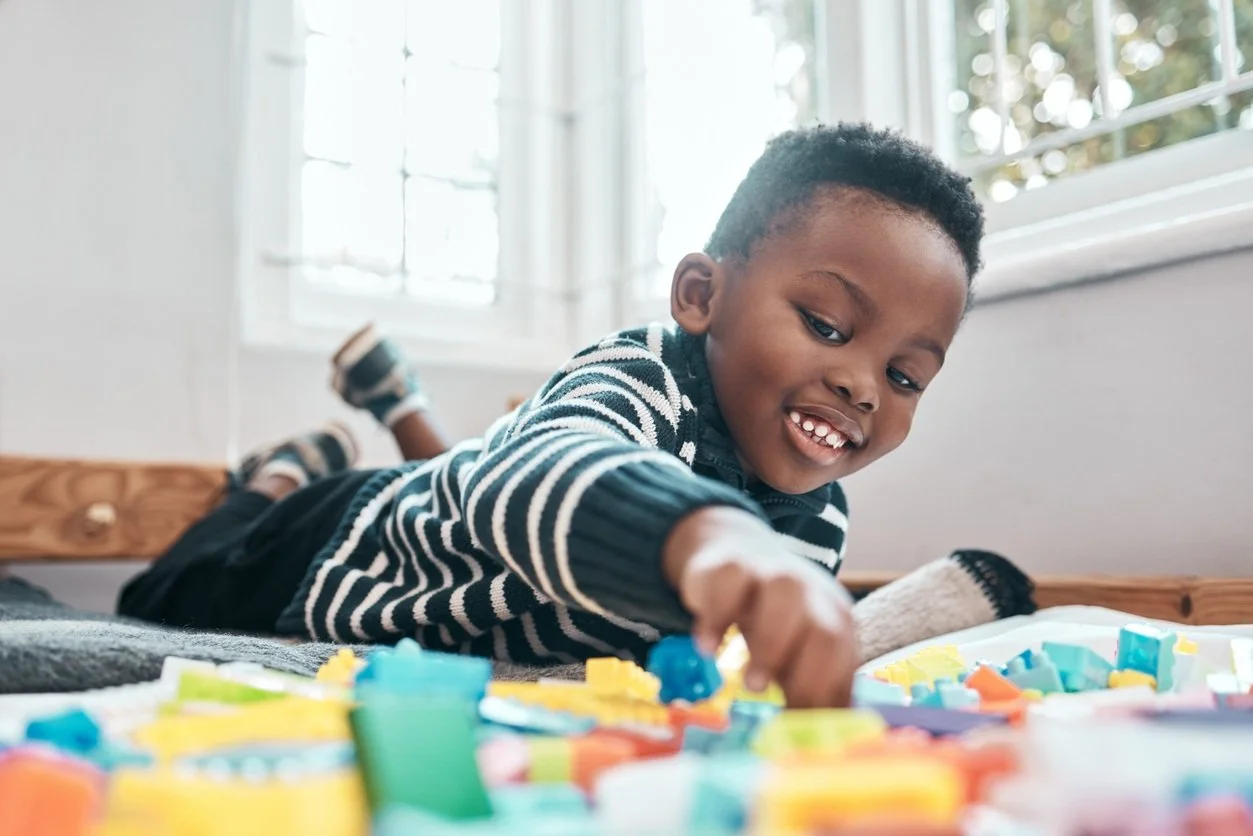
Keeping a toddler busy indoors does not require elaborate setups, expensive toys, or constant entertainment. At this age, learning happens best through simple routines, repeated experiences, and play that feels relaxed and familiar. Everyday moments can support language development, early learning, and emotional growth when activities are approached with intention.
This guide focuses on easy, at home indoor activities that support listening skills, early reading, problem solving, and movement. All of the activities are designed to be realistic for parents and flexible for toddlers with different energy levels. We begin with two foundational activities that support development from a very young age and fit naturally into daily routines: audiobook time and reading together.
1. Audiobook Time
Audiobook time is one of the most effective and low effort activities you can introduce at home with a toddler. Listening to stories helps children absorb language, tone, and rhythm in a way that feels calm and engaging. Unlike screen based content, audiobooks allow toddlers to move, play, or rest while still benefiting from rich language exposure.
To do audiobook time at home, choose short stories with clear narration and simple storylines. You can play an audiobook while your toddler looks at picture books, colors, plays with quiet toys, or relaxes on the floor. There is no need for them to sit still or focus on every word. Even partial listening supports language development. Many parents find that platforms like Starglow Media offer popular podcasts and audio stories designed specifically for kids of different ages, making it easier to find content that grows with your child.
The benefits of audiobook time are significant for toddlers. Listening builds vocabulary and helps children understand how language flows in stories. It strengthens attention span and listening skills while encouraging imagination. Over time, audiobooks also support early reading readiness by helping children become familiar with storytelling and spoken language patterns. Many toddlers who regularly listen to audiobooks develop a strong interest in books and stories as they grow.
2. Reading Together
Reading together is one of the most valuable activities you can do with a toddler, especially when it is interactive and child led. At this stage, reading is not about finishing the book from start to end. It is about talking, pointing, naming, and sharing the experience together.
To read together at home, choose board books or picture books with clear images. Sit with your toddler and let them turn the pages, point to pictures, or pause on the same page for as long as they want. Name objects, animals, colors, and actions you see in the book. Ask simple questions and respond to whatever captures their interest, even if the story goes off track.
The benefits of reading together go beyond early literacy. Interactive reading supports vocabulary growth, listening skills, and comprehension. It also helps toddlers build attention span and confidence with language. Just as importantly, reading together strengthens emotional connection. Toddlers begin to associate books with comfort, closeness, and positive shared time, which builds a strong foundation for learning and curiosity later on.
3. Music and Movement
Music and movement is an essential indoor activity for toddlers because it supports both physical development and early learning at the same time. Toddlers naturally respond to rhythm, repetition, and sound, making music an easy way to encourage movement, coordination, and language growth indoors.
To do music and movement at home, play simple songs with a steady beat or familiar lyrics. Encourage your toddler to clap, stomp, spin, jump, or sway along with the music. Songs that include actions, counting, or repetition work especially well. You can dance together, pause the music for a freeze moment, or model simple movements and let your toddler copy or create their own.
The benefits of music and movement are wide ranging. Physically, it helps toddlers build balance, coordination, and body awareness. Cognitively, music supports memory, pattern recognition, and early math concepts like counting and sequencing. Language skills also benefit as toddlers hear repeated words and phrases paired with actions. Music and movement also provide an emotional outlet, helping toddlers release energy, regulate emotions, and feel joy through active play. Over time, these experiences strengthen confidence and encourage self expression in a natural, playful way.
Counting toys is a simple and effective way to introduce early math skills during everyday play. Toddlers naturally enjoy lining up objects, stacking items, and repeating actions, which makes counting feel fun rather than instructional.
To do this activity at home, gather a small group of toys such as blocks, cars, or stuffed animals. Count each item out loud as you place it in a line or put it into a container. Keep numbers small, usually between one and five, and repeat the counting often. You can also count while cleaning up, placing toys on a shelf, or handing them one by one to your toddler.
The benefits of counting toys include early number recognition and an understanding that numbers represent quantities. Toddlers begin to connect words like one, two, and three with actual objects they can see and touch. This activity also supports focus, memory, and listening skills. Over time, repeated exposure to counting helps build confidence with numbers and creates a foundation for future math learning without pressure or expectations.
4. Color Sorting
Color sorting helps toddlers develop early math and cognitive skills through hands on play. Sorting is one of the first ways children learn to categorize and organize information, which is a key part of problem solving and logical thinking.
To do color sorting at home, gather toys or household items in a few clear colors such as red, blue, and yellow. Place bowls, cups, or small boxes on the floor and help your toddler place each item into the matching container. Name the colors as you go and encourage your toddler to repeat them, but keep the activity relaxed and flexible.
The benefits of color sorting go beyond learning colors. This activity supports visual discrimination, attention span, and early classification skills. It also strengthens fine motor coordination as toddlers pick up and place objects carefully. Color sorting builds early math readiness by introducing concepts like grouping, matching, and comparison in a playful and accessible way.
5.Picture Walk Storytelling
Picture walk storytelling helps toddlers build early comprehension and storytelling skills without requiring them to read or listen to a full story. It encourages observation, language use, and imagination in a very natural way.
To do picture walk storytelling at home, choose a picture book and slowly flip through the pages without reading the text. Talk about what you see in the images and ask simple prompts like “What is happening here?” or “Where do you think they are going?” Let your toddler point, name objects, or make up their own version of the story.
The benefits of picture walk storytelling include stronger vocabulary and early narrative understanding. Toddlers learn that stories have a beginning, middle, and end even before they can read. This activity also builds confidence with books and supports expressive language as children practice describing and interpreting what they see.
6. Shape Matching
Shape matching introduces toddlers to early geometry and visual problem solving through simple play. Recognizing shapes helps children understand how objects relate to one another and builds spatial awareness at a very young age.
To do shape matching at home, use shape puzzles, blocks, or everyday objects like lids and containers. Name each shape as your toddler picks it up and help them match it to the correct space or object. Focus on basic shapes such as circles, squares, and triangles, and repeat the names often.
The benefits of shape matching include improved visual perception, hand eye coordination, and early reasoning skills. Toddlers learn how to compare objects and recognize similarities and differences. These early experiences support future math and problem solving skills while also building confidence through success.
7. Stack and Compare
Stacking and comparing objects is a natural way for toddlers to explore early math concepts like size, quantity, and balance. This activity encourages experimentation and hands on learning through trial and error.
To do this activity at home, provide blocks, cups, or stackable toys and encourage your toddler to build towers. As they stack, use descriptive language such as tall, short, big, small, more, and less. You can also build towers together and compare which one is taller or wider.
The benefits of stack and compare include early understanding of measurement concepts and spatial relationships. Toddlers develop fine motor skills, coordination, and patience as they stack carefully. This activity also promotes problem solving as children adjust their approach when towers fall, helping them build resilience and confidence.
8. Number Songs and Rhymes
Number songs and rhymes help toddlers learn early math concepts through repetition, rhythm, and movement. Music makes numbers easier to remember and allows learning to happen naturally during play rather than formal instruction.
To do number songs and rhymes at home, sing simple counting songs during daily routines or playtime. Use your fingers, toys, or body movements to show numbers as you sing. You can count up, count down, or pause to let your toddler fill in a number they recognize. Repeating the same songs regularly helps toddlers become familiar with number sequences.
The benefits of number songs and rhymes include early number recognition, memory development, and listening skills. Toddlers begin to understand the order of numbers and how counting works. Music also supports language development and emotional regulation, helping children feel calm, engaged, and confident as they learn through sound and repetition.
9. Sticker Counting
Sticker counting is a fun and hands on way to combine fine motor practice with early math learning. Toddlers enjoy peeling and placing stickers, which makes this activity highly engaging while still educational.
To do sticker counting at home, give your toddler a sheet of stickers and a piece of paper. Ask them to place a small number of stickers on the page, usually between one and five. Count each sticker out loud as it is placed. You can also draw simple shapes or circles and place one sticker inside each.
The benefits of sticker counting include improved hand control, finger strength, and coordination. This activity also reinforces one to one counting, helping toddlers understand that each number corresponds to a single object. Sticker counting supports focus and patience while building early math confidence in a playful and low pressure way.
10. Book and Audiobook Pairing
Book and audiobook pairing helps toddlers connect spoken language with visual storytelling. Hearing a story while seeing the pictures reinforces comprehension and builds early reading skills in a gentle, accessible way.
To do this activity at home, choose a physical book that matches an audiobook. Play the audiobook while your toddler flips through the pages or looks at the pictures. You can sit together or allow your toddler to explore the book independently while listening. There is no need to follow along perfectly or stay on the same page as the narration.
The benefits of book and audiobook pairing include stronger listening comprehension and increased familiarity with story structure. Toddlers learn that spoken words relate to images and events in a story. This activity also supports attention span and encourages a positive relationship with books, helping children feel comfortable and confident around reading materials.
11. Pretend Kitchen or Food Play
Pretend kitchen or food play encourages imagination, language development, and early social skills. Toddlers enjoy copying everyday actions they see adults do, making pretend play both familiar and meaningful.
To do this activity at home, use toy food, play kitchens, or safe household items like bowls and spoons. Encourage your toddler to stir, pour, serve, or name different foods. You can play alongside them, narrating actions and introducing simple phrases related to cooking and eating.
The benefits of pretend kitchen or food play include vocabulary growth and improved communication skills. Toddlers practice naming objects, actions, and colors while building confidence in self expression. This type of play also supports problem solving and creativity, as children experiment with routines and roles they observe in daily life.
12. Animal Sounds Game
The animal sounds game is a simple and engaging way to support language development and auditory discrimination. Toddlers are naturally drawn to animals and enjoy making sounds, which makes this activity both fun and educational.
To do the animal sounds game at home, use animal toys, picture books, or flashcards. Point to an animal and say its name, then make the corresponding sound. Encourage your toddler to repeat the sound or name the animal. Follow their lead and allow them to choose which animals to explore.
The benefits of the animal sounds game include improved speech development and listening skills. Toddlers learn to connect words with sounds and objects, which strengthens vocabulary. This activity also builds confidence as children practice using their voice in a playful and supportive environment.
13. Call and Repeat Words
Call and repeat words is a simple language building activity that helps toddlers practice speech and pronunciation. Repetition is a key part of early language learning, and this activity allows toddlers to engage at their own pace.
To do call and repeat words at home, choose simple, familiar words such as everyday objects, animals, or actions. Say a word clearly and pause, giving your toddler time to respond. Celebrate any attempt at repetition, even if the word is not pronounced perfectly.
The benefits of call and repeat words include stronger speech clarity and improved confidence with verbal communication. Toddlers learn how sounds form words and gain experience using language to express themselves. This activity also supports attention and listening skills, creating a strong foundation for future communication.
14. Dress Up Play
Dress up play encourages imagination, language development, and self expression. Toddlers enjoy experimenting with clothing and accessories because it allows them to explore identity and copy what they see adults do in everyday life.
To do dress up play at home, gather simple items like hats, scarves, oversized shirts, or jackets. Let your toddler put items on and take them off, or help them dress a stuffed animal or doll. Name the clothing items and colors as they play, and talk about what they are wearing in simple terms.
The benefits of dress up play include vocabulary growth and improved fine motor skills. Toddlers practice pulling, placing, and adjusting clothing, which strengthens coordination. Dress up play also supports creativity and emotional development by giving children a safe space to explore roles and express themselves through pretend play.
15. Mirror Talk
Mirror talk is a powerful activity for building self awareness and emotional understanding. Toddlers are fascinated by their reflection and enjoy watching facial expressions and movements, making mirrors a natural learning tool.
To do mirror talk at home, sit or stand with your toddler in front of a mirror. Make different facial expressions such as happy, sad, surprised, or silly, and name them out loud. Encourage your toddler to copy your expressions or point to their face while you describe what they see.
The benefits of mirror talk include increased emotional awareness and language development. Toddlers begin to recognize emotions and associate words with feelings and expressions. This activity also supports social development and confidence as children become more aware of themselves and how they communicate with others.
16. Pillow Obstacle Course
A pillow obstacle course is a great way to help toddlers burn energy indoors while developing physical skills. Movement based play is essential for growing bodies, and obstacle courses encourage exploration, balance, and coordination in a safe environment.
To do a pillow obstacle course at home, place pillows, cushions, or folded blankets on the floor. Create simple paths for your toddler to crawl over, step around, or climb across. Stay close for safety and describe their movements using words like over, under, around, and through as they move.
The benefits of a pillow obstacle course include improved balance, strength, and body awareness. Toddlers also develop spatial understanding as they navigate different paths. This activity supports confidence and independence as children learn what their bodies can do while moving through challenges at their own pace.
17. Ball Roll and Count
Ball roll and count combines movement with early math learning in a playful way. Rolling a ball back and forth helps toddlers practice coordination while introducing counting in a natural, interactive format.
To do ball roll and count at home, sit on the floor facing your toddler with a soft ball. Roll the ball back and forth and count each roll out loud. Keep numbers small and repeat them often. You can also count bounces or passes to add variety.
The benefits of ball roll and count include improved hand eye coordination and early number awareness. Toddlers begin to connect counting with real actions and experiences. This activity also encourages turn taking and social interaction, helping children practice patience and communication during play.
18. Tape Roads on the Floor
Tape roads on the floor turn open space into an interactive play area that encourages imagination and early problem solving. This activity is simple to set up and can be adapted to match your toddler’s interests.
To do tape roads at home, use painter’s tape to create lines, curves, or simple shapes on the floor. Make paths for toy cars, trucks, or animals to follow. As your toddler plays, talk about directions such as straight, turn, stop, and go. You can also trace shapes or letters using the tape.
The benefits of tape roads include improved spatial awareness and fine motor planning. Toddlers learn how to follow paths and understand direction and movement. This activity also supports creativity and focus while introducing early concepts related to shapes and problem solving.
19. Sensory Bin Play
Sensory bin play allows toddlers to explore textures, sounds, and movement through hands on discovery. Sensory experiences help children understand the world around them while supporting calm and focused play.
To do sensory bin play at home, fill a shallow container with materials such as dry rice, pasta, or large beads. Provide scoops, cups, or spoons and supervise closely. Let your toddler pour, scoop, and explore at their own pace without rushing the activity.
The benefits of sensory bin play include improved fine motor skills and concentration. Toddlers develop hand strength and coordination while engaging their senses. Sensory play also supports emotional regulation by offering a calming and repetitive activity that helps children feel grounded and focused.
20. Water Play
Water play is a calming and engaging indoor activity that supports both motor skills and early learning. Toddlers are naturally drawn to water because it allows for exploration, repetition, and sensory discovery.
To do water play at home, set up a small activity in the sink or bathtub using cups, spoons, and small containers. Let your toddler pour water from one container to another, scoop water, or gently splash. Always supervise closely and keep the focus on simple, controlled play.
The benefits of water play include improved hand coordination and problem solving. Toddlers learn about cause and effect as they pour and transfer water. Water play also helps regulate emotions and provides a soothing sensory experience that can support calm transitions during the day.
21. Puzzle Time
Puzzle time helps toddlers build problem solving skills and patience through hands on exploration. Simple puzzles offer just enough challenge to encourage focus without frustration.
To do puzzle time at home, choose puzzles with large pieces, knobs, or simple shapes. Sit nearby and offer encouragement while allowing your toddler to try independently. Name shapes, colors, or pictures as pieces are placed, but avoid rushing the process.
The benefits of puzzle time include improved spatial reasoning and fine motor development. Toddlers learn how pieces fit together and practice persistence. Puzzle play also supports attention span and confidence as children experience success through effort and repetition.
22. Stacking Cups or Rings
Stacking cups or rings is a classic toddler activity that supports early math thinking and fine motor development. Toddlers enjoy building, knocking down, and rebuilding, which makes this activity both engaging and repetitive in a positive way.
To do stacking cups or rings at home, provide nesting cups, stacking rings, or similar toys. Encourage your toddler to stack them in different ways or nest them inside one another. Talk about size and order using words like big, small, top, and bottom as they play.
The benefits of stacking cups or rings include improved hand control and coordination. Toddlers learn about size relationships and sequencing, which are early math concepts. This activity also supports problem solving and persistence as children experiment with balance and order.
23. Hide the Toy Game
The hide the toy game is a simple indoor activity that supports problem solving, memory, and language development. Toddlers love searching for familiar objects, and this activity turns curiosity into an engaging learning experience.
To do the hide the toy game at home, choose a favorite toy and hide it somewhere obvious, such as under a blanket, behind a pillow, or inside a box. Ask your toddler to find the toy and use location words like under, behind, or inside as they search. Gradually make hiding spots slightly more challenging as their skills grow.
The benefits of the hide the toy game include improved cognitive skills and early understanding of spatial concepts. Toddlers learn how to follow clues and remember locations. This activity also supports language development by reinforcing descriptive words and encourages persistence and confidence through successful problem solving.
24. Side by Side Floor Play
Side by side floor play gives toddlers the opportunity to explore independently while still feeling connected and supported. This type of play is especially valuable because it removes pressure to perform or follow instructions and allows learning to happen organically.
To do side by side floor play at home, sit on the floor near your toddler with a few toys available. You can play with your own set of blocks or objects while your toddler plays with theirs. There is no need to guide or correct their play. Simply stay present and responsive if they engage or look for interaction.
The benefits of side by side floor play include increased independence and confidence. Toddlers learn to focus, make choices, and explore at their own pace. This activity also supports emotional security, as children feel safe knowing a caregiver is nearby without directing every moment of play.
25. Clean Up and Sort Together
Cleaning up and sorting together turns an everyday routine into a meaningful learning activity. Toddlers enjoy feeling helpful, and structured clean up supports early math, organization, and responsibility skills.
To do clean up and sort together at home, invite your toddler to help put toys away by category, such as blocks in one bin and cars in another. Name items as you place them away and keep instructions simple. Make it playful by turning it into a matching or sorting game rather than a chore.
The benefits of cleaning up and sorting together include early classification skills and an understanding of order and routines. Toddlers practice following simple directions and develop a sense of accomplishment. This activity also supports emotional regulation by creating predictable transitions between play and rest.
Starglow Media Audiobooks and Podcasts for Indoor Days
Indoor days are often the perfect time to introduce toddlers and young children to audio based storytelling. Starglow Media offers a growing library of audiobooks and popular podcasts designed for kids of all ages, making it easy to find content that fits different attention spans and developmental stages. Audio stories and podcasts can be played during quiet play, drawing, or rest time, helping children build listening skills without screen use. For families looking to balance active play with calm moments indoors, audio storytelling can become a reliable and comforting part of the daily routine.